
Blog
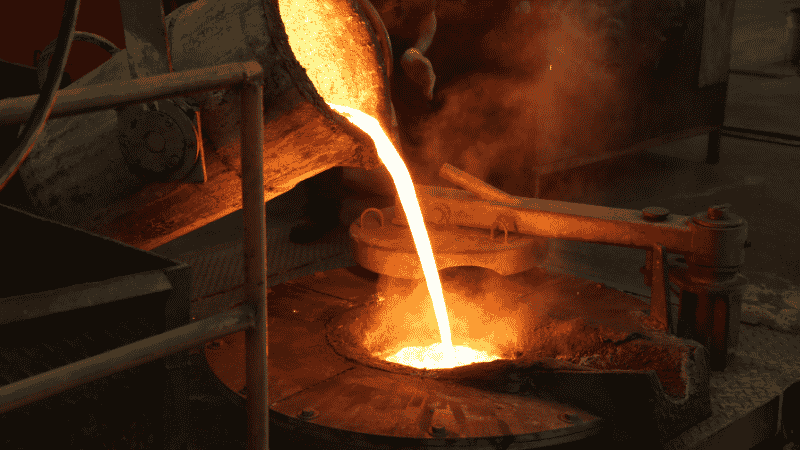
12 Different Types of Metal Casting for Precision Manufacturing
Choosing a casting process affects more than the initial tooling price. It also influences filling…
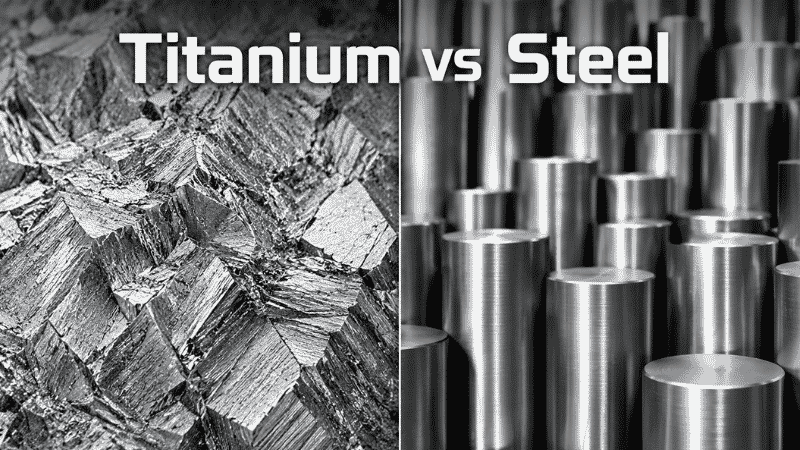
Titanium vs Steel: Which Metal Is Right for Your Project?
The titanium vs steel comparison cannot be reduced to deciding which metal is stronger. Titanium…
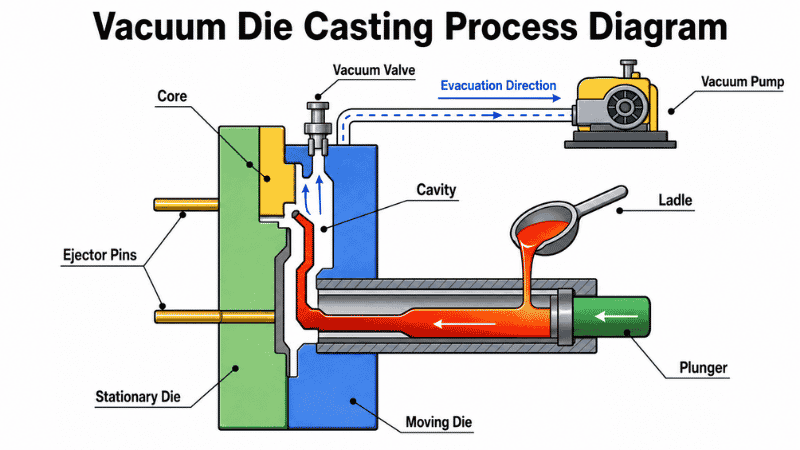
Vacuum Die Casting: Process, Benefits, and When to Use It
Vacuum die casting is used when conventional high-pressure die casting cannot provide stable internal quality…
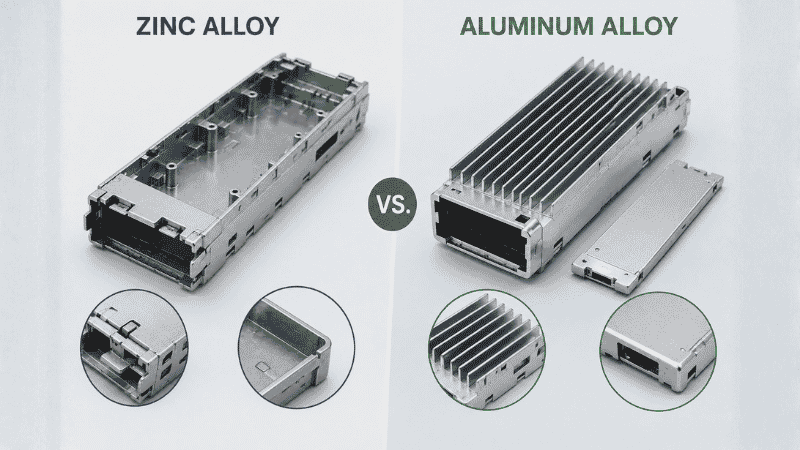
Zinc vs. Aluminum for Optical Transceiver Housings
Choosing between zinc and aluminum for optical transceiver housings is not simply a choice between…
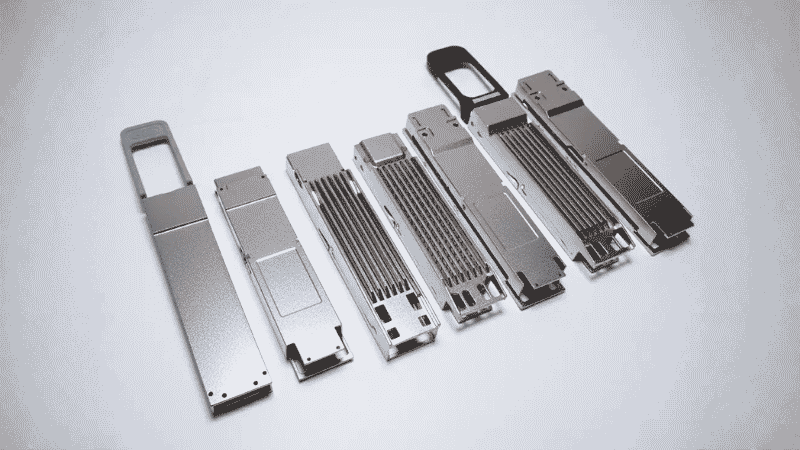
Optical Transceiver Housing: Zinc Die Casting DFM Guide
An optical transceiver housing may be small, but a minor design error can cause poor…
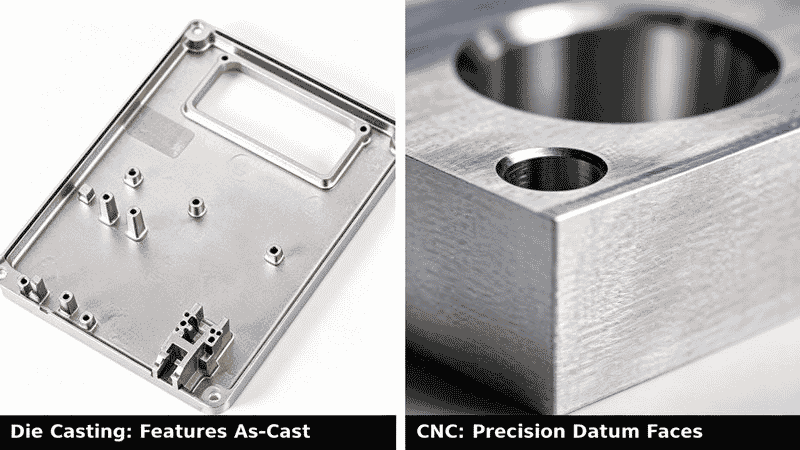
Optical Transceiver Housing Tolerances: Die Casting vs. CNC
An optical transceiver housing may look simple, but a few hundredths of a millimeter can…

EMI Shielding Design for Die-Cast Optical Transceiver Housings
A zinc die-cast housing may look fully enclosed and still leak electromagnetic energy. At 40…
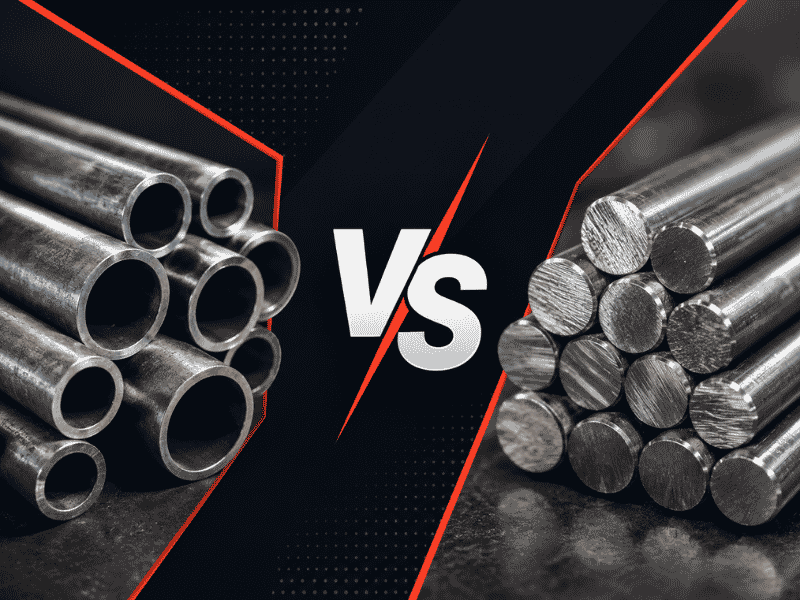
Cast Iron vs Steel: Key Differences, Properties
Cast iron and steel are both iron-based alloys, but they are not the same material.…
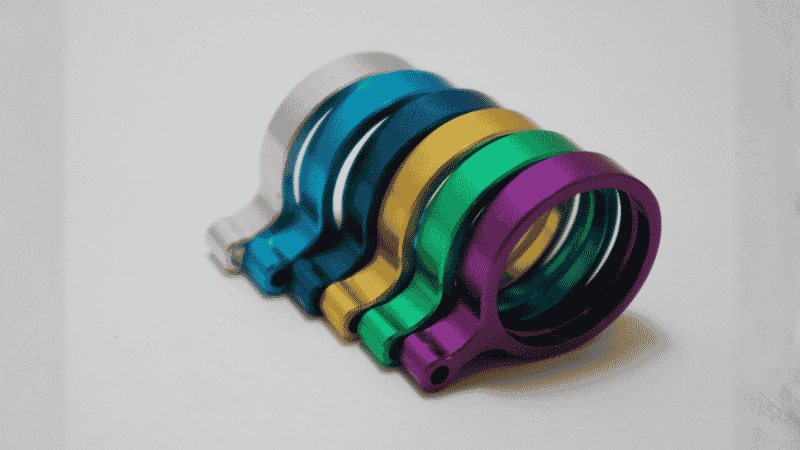
Anodized Aluminum Colors: Types, Process, and Selection Guide
Anodized aluminum colors are widely used in CNC machined parts, aluminum profiles, electronic housings, architectural…