
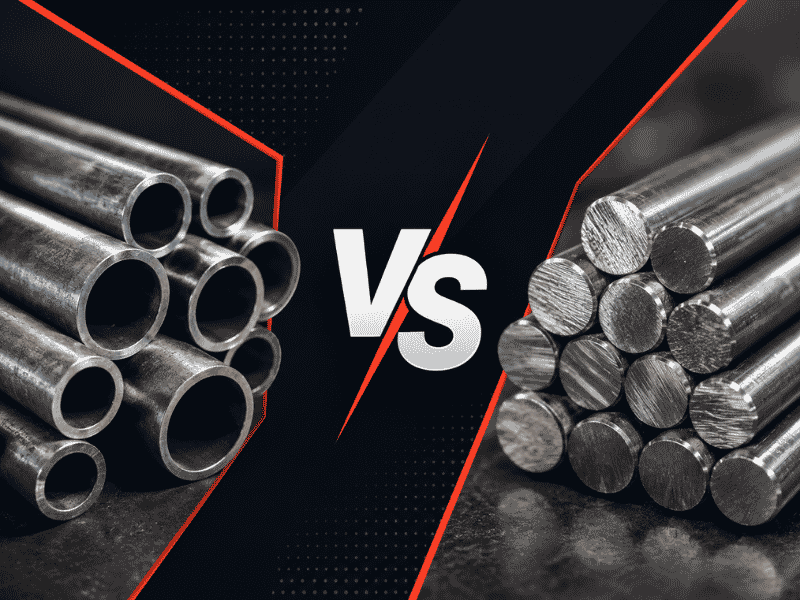
Cast iron and steel are both iron-based alloys, but they are not the same material. The main difference between cast iron and steel comes from carbon content, material structure, mechanical properties, and manufacturing performance. In simple terms, cast iron usually contains more carbon, which gives it excellent castability, good compressive strength, and strong vibration damping. Steel usually contains less carbon, which gives it better tensile strength, ductility, toughness, and weldability.
For industrial parts, the choice between cast iron and steel depends on the working conditions. Cast iron is often used for machine bases, housings, engine blocks, pipes, and components that need dimensional stability or vibration resistance. Steel is widely used for shafts, gears, frames, brackets, welded structures, and parts that need to withstand tension, impact, bending, or fatigue loads.
What Is Cast Iron?
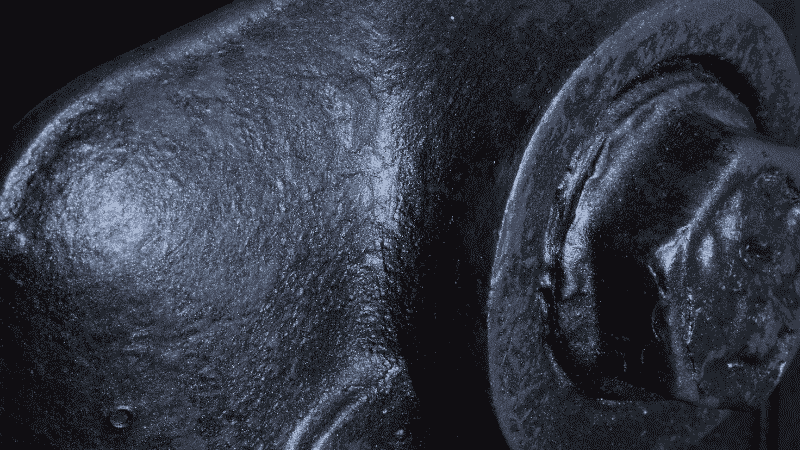
Cast iron is an iron-carbon alloy with a carbon content usually higher than 2%. This higher carbon level gives it good fluidity in the molten state, which makes cast iron suitable for producing parts with complex shapes.
In industrial manufacturing, cast iron is widely used because it offers good castability, wear resistance, and compressive strength. It is also known for its vibration damping performance, which makes it useful for machine bases, housings, engine blocks, and similar components.
The common types of cast iron include:
- Gray iron
- White iron
- Malleable iron
- Ductile iron
- Compacted graphite iron
What Is Steel?
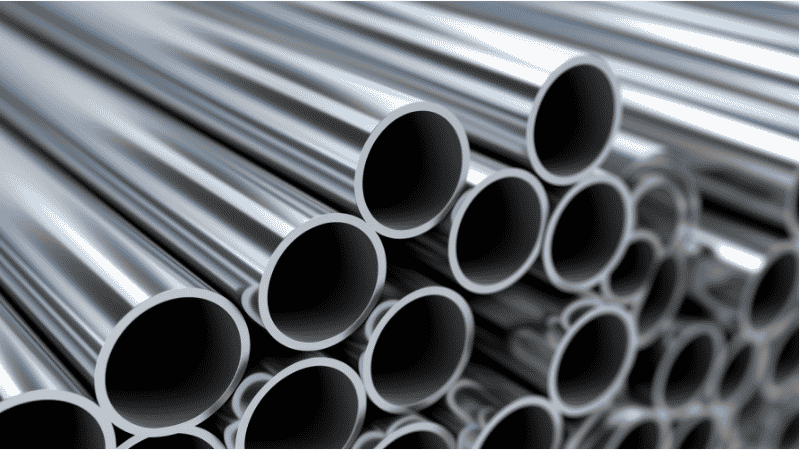
Steel is also an iron-carbon alloy, but its carbon content is usually lower than that of cast iron. Because of this, steel generally has better ductility, toughness, and tensile strength.
Steel is widely used in manufacturing because it can be processed in many ways, including welding, forging, machining, and heat treatment. It is commonly selected for parts that need strength, impact resistance, or reliable performance under dynamic loads.
The common types of steel include:
- Carbon steel
- Alloy steel
- Stainless steel
- Tool steel
- Cast steel
What Is the Main Difference Between Cast Iron and Steel?
The main difference between cast iron and steel is carbon content. Cast iron has a higher carbon content, while steel has a lower carbon content. This difference changes the material’s structure, strength, ductility, brittleness, castability, weldability, and application range.
Because cast iron contains more carbon, it melts and flows well during casting. This makes it suitable for producing complex parts with thick walls, internal cavities, and detailed shapes. Cast iron also has good compressive strength, wear resistance, and vibration damping. However, the same high carbon content also makes many cast irons more brittle and less suitable for impact or tensile loading.
Steel, on the other hand, has lower carbon content and better plastic deformation ability. This means steel can bend, stretch, or absorb impact before breaking. Steel is usually better for parts that need high tensile strength, toughness, fatigue resistance, or welding performance. It is also easier to form, fabricate, and heat treat for specific mechanical requirements.
In practical terms, cast iron is often better for cast parts that need stability, damping, and compressive load capacity. Steel is often better for structural or mechanical parts that need strength, toughness, weldability, and resistance to dynamic loads.
Cast Iron vs Steel: Which One Should You Choose?
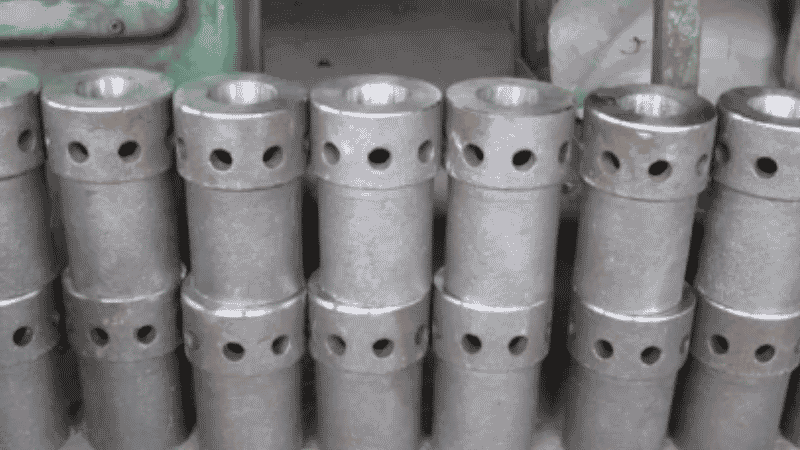
Choosing between cast iron and steel depends on the part design, load condition, production method, working environment, and cost target. There is no single material that is better for every application. The correct choice depends on what the part must do during service.
Choose cast iron when the part has a complex cast shape, mainly carries compressive loads, requires good vibration damping, or needs stable performance under heavy static loading. Cast iron is also a practical option when good machinability, wear resistance, and cost-effective casting production are important.
Choose steel when the part must withstand tensile stress, impact, bending, shock loading, or fatigue. Steel is also the better choice when the part needs welding, fabrication, forming, heat treatment, or higher toughness. For safety-critical structures and high-load mechanical components, steel is often preferred because it provides more predictable ductility and fracture resistance.
Advantages and Disadvantages of Cast Iron
Cast iron has several advantages in industrial manufacturing. It has excellent castability, which allows manufacturers to produce complex shapes more easily than many steels. Its good fluidity makes it suitable for parts with ribs, bosses, internal cavities, and thick sections.
Cast iron also has strong compressive strength, good wear resistance, and excellent vibration damping, especially gray cast iron. These properties make it useful for machine bases, machine tool beds, housings, engine blocks, pump bodies, and other components that require stability.
Cast iron can also be cost-effective for casting production. When the part shape is complex, casting the component from cast iron may reduce machining time and material waste compared with machining the part from solid steel stock.
However, cast iron also has limitations. It is generally more brittle than steel, especially under tensile or impact loading. Gray cast iron and white cast iron may crack more easily if exposed to shock loads or sudden stress changes.
Cast iron also has poor weldability compared with steel. Welding cast iron requires strict control of preheating, filler material, cooling rate, and thermal stress. For parts that require high toughness, high ductility, or welded fabrication, cast iron is usually not the first choice.
Advantages and Disadvantages of Steel
Steel has strong advantages in strength, toughness, ductility, and versatility. Compared with cast iron, steel usually performs better under tensile loads, bending loads, impact loads, and fatigue loads. It can deform before fracture, which makes it more reliable for dynamic or safety-critical applications. Steel is also easier to weld, fabricate, forge, roll, form, and heat treat.
Another advantage of steel is that its properties can be adjusted through alloying and heat treatment. For example, alloy steel can be designed for higher strength or wear resistance, stainless steel can be used for corrosion resistance, and tool steel can be used for cutting or forming applications.
The main limitation of steel is that it may be more difficult and costly to cast into complex shapes compared with cast iron. Steel has higher melting temperatures and less fluidity than cast iron, so steel casting requires stricter process control. Some steel grades can also be harder to machine, depending on hardness, alloy content, and heat treatment condition. In applications where vibration damping and casting efficiency are more important than tensile strength, cast iron may be more suitable.
Cast Iron vs. Steel Comparison Chart
FAQs
Is cast iron stronger than steel?
Steel is usually stronger than cast iron in tensile strength, toughness, and impact resistance. Cast iron performs well under compressive loads, but it is generally more brittle than steel.
What is the main difference between cast iron and steel?
The main difference is carbon content. Cast iron has a higher carbon content, while steel has a lower carbon content. This affects their strength, ductility, weldability, and castability.
Is cast iron more brittle than steel?
Yes. Cast iron is generally more brittle than steel because of its higher carbon content and internal structure. Steel is more ductile and can deform more before breaking.
Which is better for machinery parts, cast iron or steel?
It depends on the part. Cast iron is suitable for machine bases, housings, and parts that need vibration damping. Steel is better for shafts, gears, frames, and parts that need higher strength or toughness.
Can cast iron be welded like steel?
Cast iron can be welded, but it is more difficult than welding steel. It usually requires preheating, controlled cooling, and special welding materials to reduce cracking risk.
Conclusion
Cast iron and steel are both important iron-based materials, but they are suitable for different applications. Cast iron is a good choice for parts that require excellent castability, vibration damping, wear resistance, and compressive strength. Steel is more suitable for parts that need higher tensile strength, toughness, ductility, weldability, and impact resistance.
For industrial projects, the right material should be selected according to the part design, load condition, manufacturing process, tolerance requirements, and working environment. Understanding the difference between cast iron and steel can help reduce production risks and improve the performance of finished components.
Get Custom Cast Iron and Steel Parts for Your Project
Honjenny provides custom metal parts manufacturing services for industrial applications, including casting, CNC machining, surface finishing, and material selection support. Whether your project requires cast iron components, steel parts, or other custom metal solutions, our team can help you choose the right material and manufacturing process based on your drawings and application needs. Contact us now to get a quote or request technical support for your project.