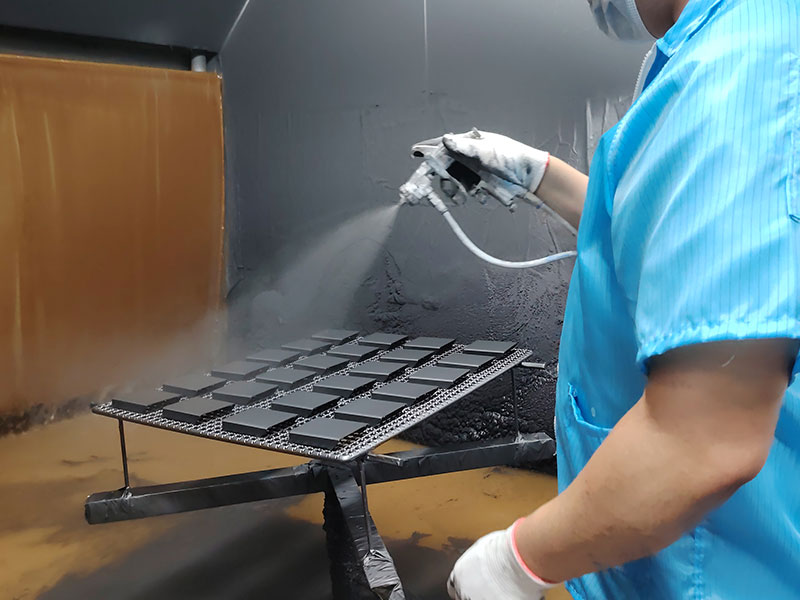
Integrated Manufacturing Workflow
Tooling, die casting, CNC machining, surface finishing, assembly, and inspection are coordinated within one manufacturing workflow, helping reduce supplier management complexity and improve project control.

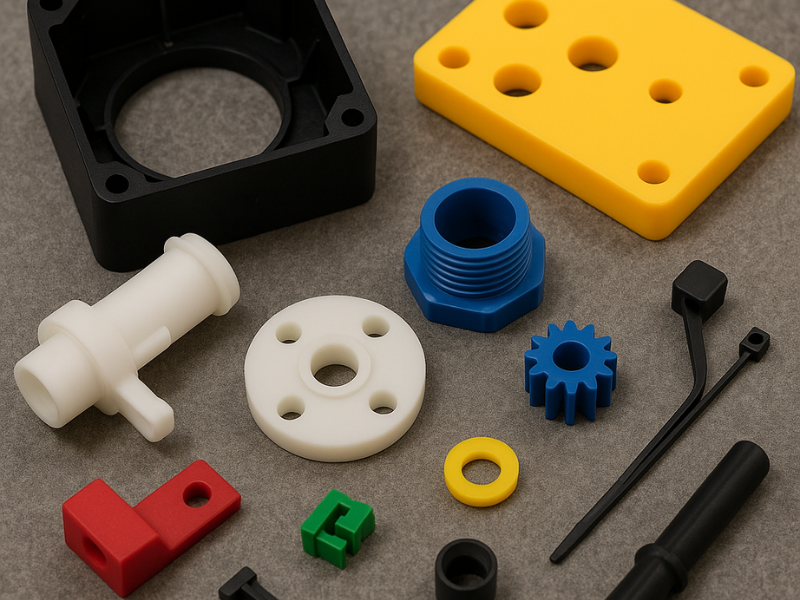
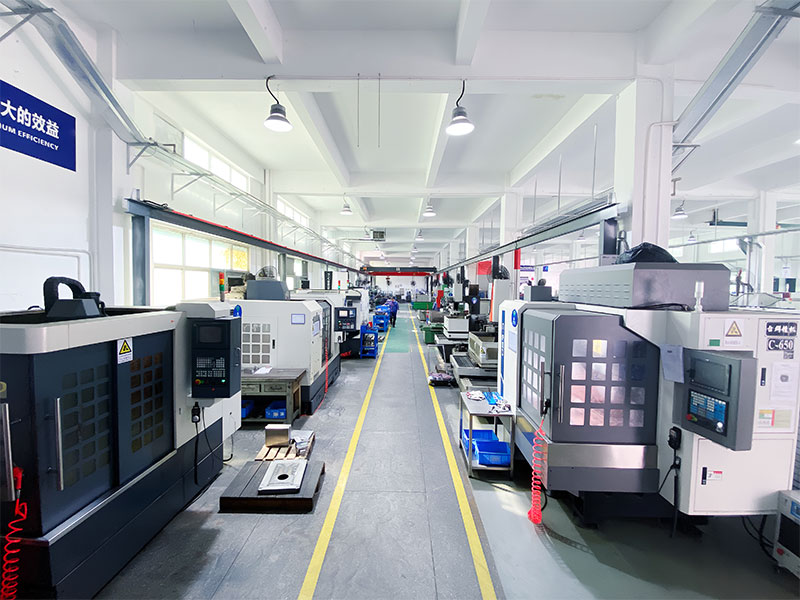
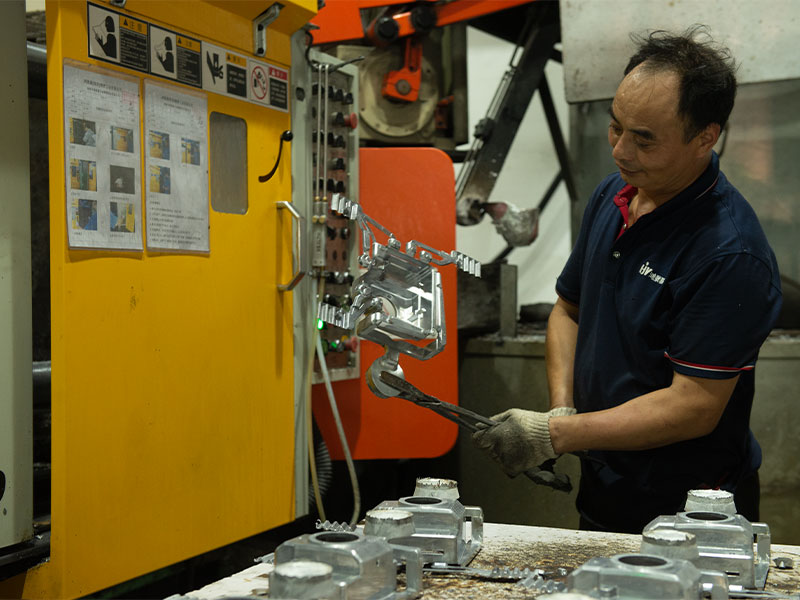
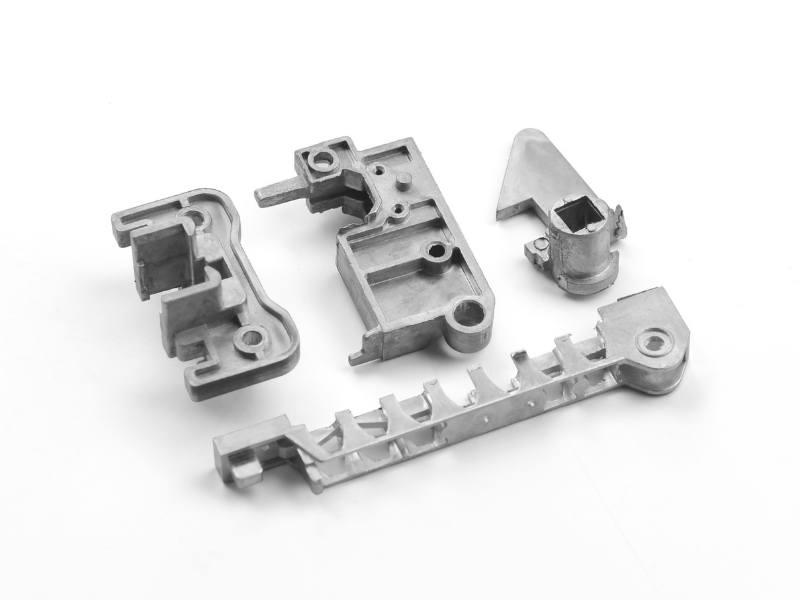
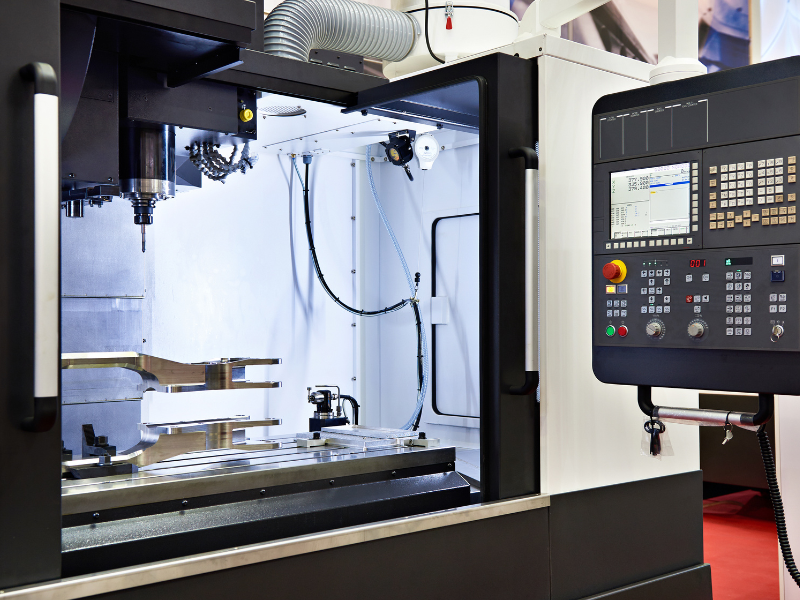
Custom die casting projects often require more than a casting supplier. They require early manufacturability input, stable tooling, reliable post-processing, consistent inspection, and responsive project communication. Honjenny is structured to support these needs from the first RFQ to repeated production orders.
Tooling, die casting, CNC machining, surface finishing, assembly, and inspection are coordinated within one manufacturing workflow, helping reduce supplier management complexity and improve project control.
From rapid prototypes and sample validation to tooling, pilot runs, and 50,000+ piece production, Honjenny supports customers through each stage of product development and manufacturing scale up.
Our team reviews part geometry, draft angles, wall thickness, gates, ejector positions, machining allowances, and finishing requirements to help reduce porosity, improve filling stability, and support long-term production quality.
We support both aluminum HPDC and zinc hot-chamber die casting, allowing customers to choose the right alloy and process based on strength, weight, complexity, surface quality, cost, and production volume.
For dimensions that cannot be achieved by die casting alone, we provide CNC machining for key functional features. Turning tolerance can reach up to ±0.005 mm and milling tolerance can reach up to ±0.01 mm depending on geometry, material, feature type, and inspection requirements.
Our inspection capabilities include CMM, 2D measurement, X-ray inspection, hardness testing, salt spray testing, FAI, and material certification support for demanding automotive, electronics, communication, and industrial applications.
Founded in 1996, Honjenny is a Shenzhen-based custom die casting manufacturer serving OEM and industrial customers across North America and Europe. With a 20,000㎡ manufacturing facility, 18 die casting machines, 70 CNC machines, and ISO 9001 and IATF 16949 certified quality systems, we support customers who need stable production, responsive communication, and reliable long-term manufacturing cooperation.
.jpg)



We were constantly battling late shipments and QC issues—until we found Honjenny. They’ve become our go-to partner for precision parts.

The Honjenny team delivered high-quality prototypes on an impossible timeline. Their speed helped us secure our next round of funding.

From surface finish to structural integrity, Honjenny has exceeded expectations across every batch.

Read practical articles on aluminum die casting, zinc die casting, mold design, CNC machining, surface finishing, tolerances, materials, and RFQ preparation.
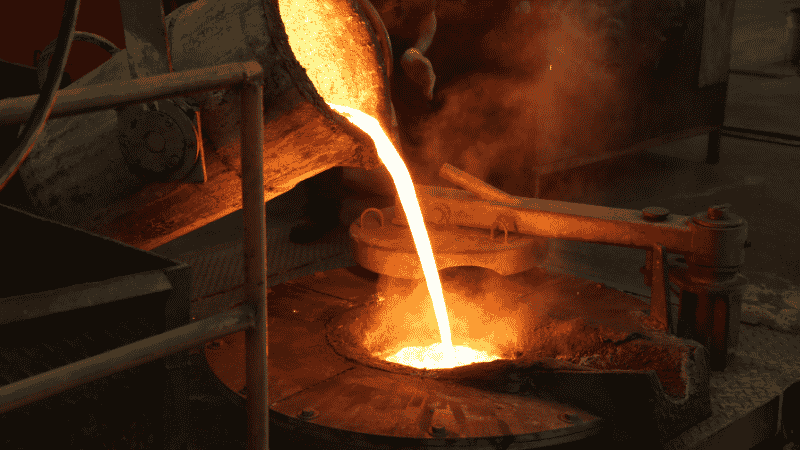
Choosing a casting process affects more than the initial tooling price. It also influences filling quality, dimensional stability, machining time, surface finish, production yield, and final part cost. This guide explains the main metal casting methods used from prototype development to high-volume production. It compares each process by material, geometry,...
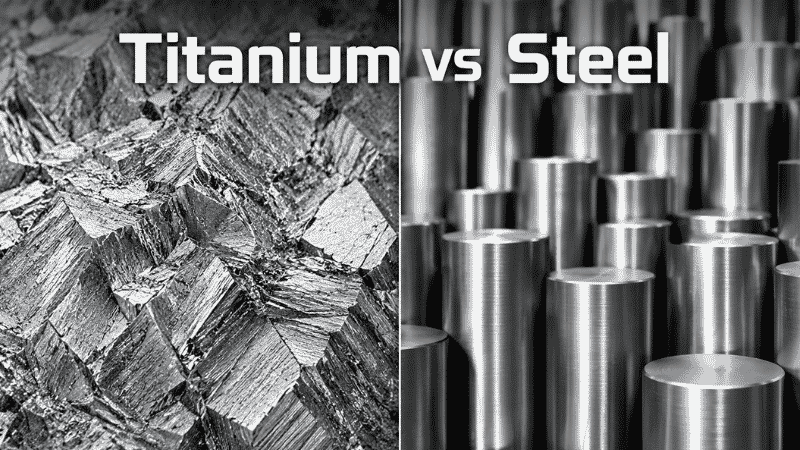
The titanium vs steel comparison cannot be reduced to deciding which metal is stronger. Titanium is lighter and highly corrosion-resistant, while steel is usually stiffer, easier to process, and more economical. In Honjenny projects, customers sometimes specify either material when aluminum can meet the actual requirements. This guide explains how...
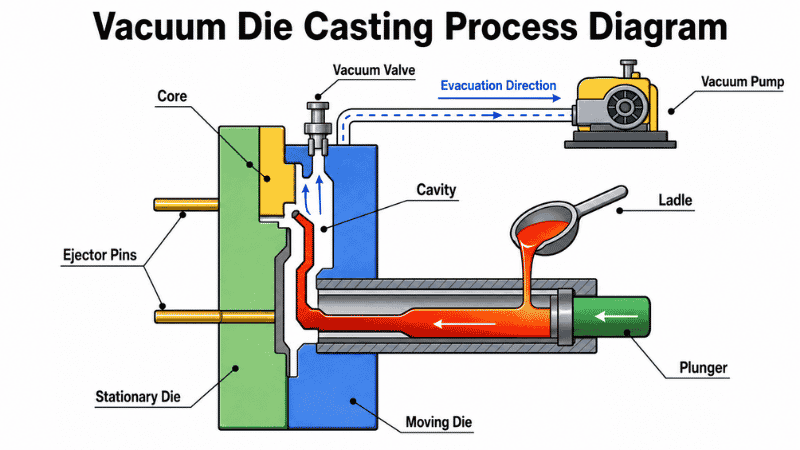
Vacuum die casting is used when conventional high-pressure die casting cannot provide stable internal quality for sealed, thin-walled, welded, or heat-treated parts. The process removes air from the die cavity before and during metal injection, reducing the gas available to form pores. In one Honjenny ADC12 housing project, this change...
Please send 2D drawings, 3D CAD files, material requirements, surface finish requirements, tolerance notes, estimated order quantity, and any inspection standards. If drawings are not complete, our team can review the available files first and confirm missing details.
Yes. Honjenny can review wall thickness, draft angles, ribs, bosses, holes, parting lines, gate positions, machining allowances, and surface finish requirements before mold manufacturing.
The main cost factors include part size, alloy, mold structure, cavity number, tolerance requirements, CNC machining time, surface finish, inspection requirements, and annual production volume.
Features that require tighter tolerances are usually finished by CNC machining after casting. These may include sealing surfaces, threaded holes, positioning holes, flat mating faces, bearing seats, and assembly interfaces.
Yes. Depending on the project, Honjenny can provide dimensional inspection reports, FAI reports, material certification, salt spray test reports, X-ray inspection results, and surface finish inspection records.
Yes. Honjenny serves customers in North America and Europe. We can communicate by drawings, CAD files, samples, inspection requirements, and project specifications for custom aluminum and zinc die casting projects.