
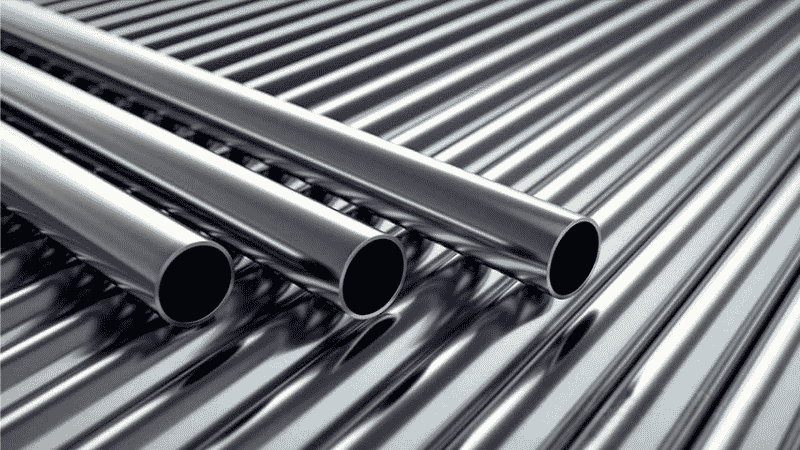
When comparing alloy steel vs stainless steel, the biggest differences are corrosion resistance, strength, cost, and intended applications.
Stainless steel contains at least 10.5% chromium, which creates a protective oxide layer that resists rust and corrosion. Alloy steel, on the other hand, is engineered primarily for strength, toughness, and wear resistance through the addition of alloying elements such as chromium, molybdenum, nickel, and vanadium.
In general:
- Choose stainless steel when corrosion resistance is critical.
- Choose alloy steel when high strength and cost efficiency are the priorities.
This guide explains the differences between alloy steel and stainless steel in detail, helping engineers, buyers, and manufacturers select the right material for their projects.
What Is Alloy Steel?
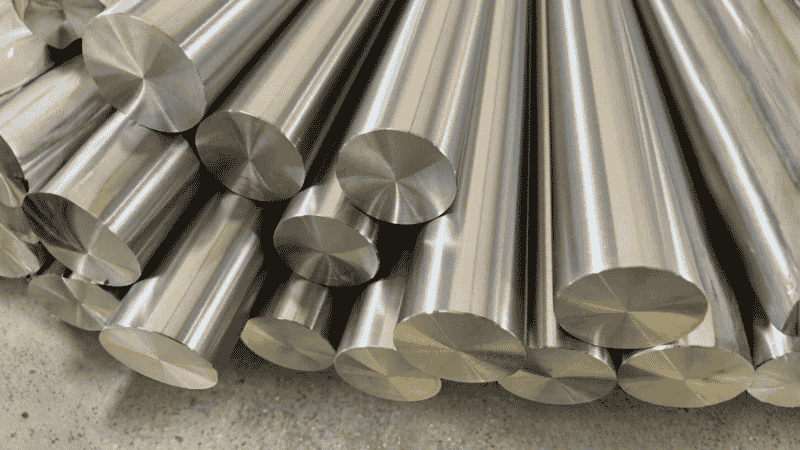
Alloy steel is a carbon steel that contains additional alloying elements to improve mechanical properties. These elements may include:
- Chromium
- Nickel
- Molybdenum
- Manganese
- Vanadium
- Silicon
Unlike ordinary carbon steel, alloy steel is designed to achieve specific performance characteristics such as higher strength, improved hardness, better wear resistance, and enhanced heat resistance.
Depending on the alloy content, alloy steel can be classified into:
Low-Alloy Steel
Contains less than 5% alloying elements.
Common examples include:
- 4130 steel
- 4140 steel
- 4340 steel
These grades are widely used in structural components, automotive parts, gears, and shafts.
High-Alloy Steel
Contains a higher percentage of alloying elements and is designed for demanding industrial environments.
Typical applications include:
- Pressure vessels
- Power generation equipment
- Oil and gas components
- Heavy machinery
What Is Stainless Steel?
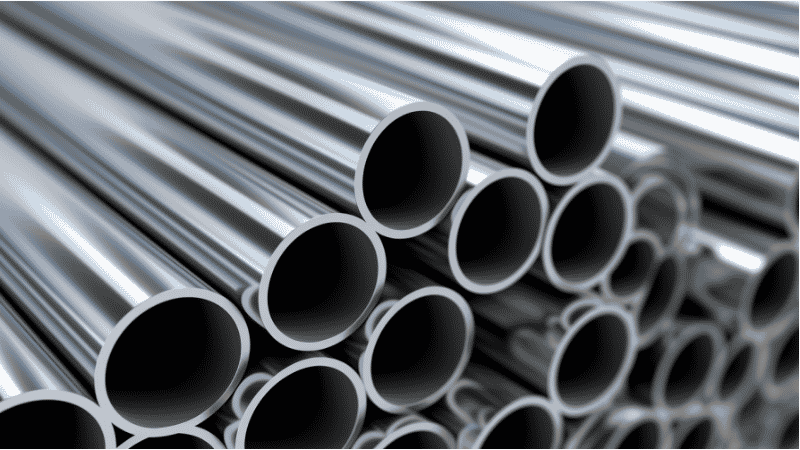
Stainless steel is a type of steel that contains a minimum of 10.5% chromium.
The chromium reacts with oxygen in the atmosphere and forms a thin passive oxide layer on the surface. This layer continuously protects the metal from corrosion and can self-repair when scratched.
Common stainless steel grades include:
304 Stainless Steel
The most widely used stainless steel grade.
Applications:
- Kitchen equipment
- Food processing machinery
- Architectural components
316 Stainless Steel
Contains molybdenum for enhanced corrosion resistance.
Applications:
- Marine equipment
- Chemical processing
- Pharmaceutical facilities
430 Stainless Steel
A lower-cost ferritic stainless steel.
Applications:
- Appliances
- Decorative trim
- Indoor equipment
Because of its corrosion resistance and clean appearance, stainless steel is often selected for environments where rust prevention is essential.
Alloy Steel vs Stainless Steel: Quick Comparison
Alloy Steel vs Stainless Steel: Chemical Composition
The fundamental difference between alloy steel and stainless steel lies in their chemical composition.
Alloy Steel Composition
Alloy steel typically contains:
- Iron
- Carbon
- Chromium
- Nickel
- Molybdenum
- Vanadium
The exact composition varies depending on the grade and intended use.
For example:
4140 alloy steel contains chromium and molybdenum, providing high strength and fatigue resistance.
Stainless Steel Composition
Stainless steel contains:
- Iron
- Chromium (minimum 10.5%)
- Nickel
- Molybdenum (in some grades)
The elevated chromium content is the key factor that distinguishes stainless steel from most alloy steels.
Corrosion Resistance: Which Material Resists Rust Better?
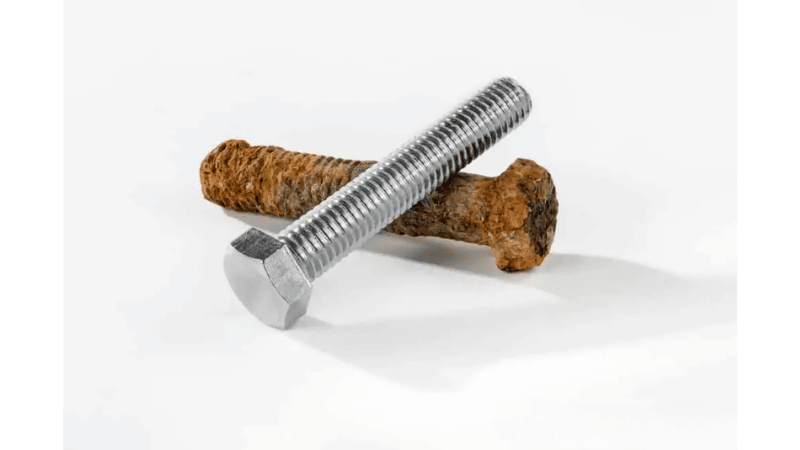
For corrosion resistance, stainless steel is the clear winner.
The chromium-rich oxide layer prevents oxygen and moisture from reaching the underlying metal. As a result, stainless steel can withstand:
- Humid environments
- Rain exposure
- Chemical processing conditions
- Marine atmospheres
Alloy steel does not have the same level of corrosion protection.
Without coatings or surface treatments, alloy steel may develop:
- Surface rust
- Pitting
- Oxidation
In outdoor environments, alloy steel often requires:
- Painting
- Powder coating
- Galvanizing
- Regular maintenance
If corrosion is a primary concern, stainless steel is generally the better choice.
Strength and Hardness Comparison
When comparing strength, alloy steel often outperforms stainless steel.
Many alloy steel grades are specifically developed for high-load applications.
Examples include:
4140 Alloy Steel
Typical tensile strength:
- 655–1080 MPa
Applications:
- Drive shafts
- Gears
- Tool holders
4340 Alloy Steel
Typical tensile strength:
- Up to 1860 MPa after heat treatment
Applications:
- Aerospace components
- High-performance machinery
By comparison:
304 Stainless Steel
Typical tensile strength:
- Around 515 MPa
316 Stainless Steel
Typical tensile strength:
- Around 515–620 MPa
For structural loads, impact resistance, and wear-intensive applications, alloy steel is often preferred.
Heat Resistance
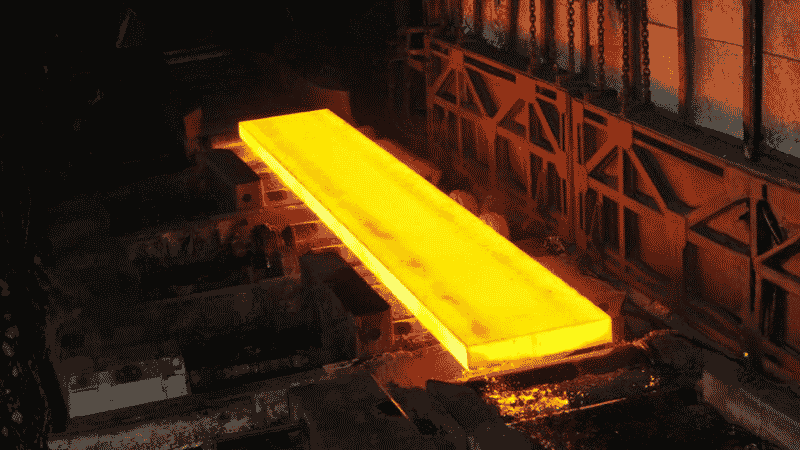
Both materials can perform well at elevated temperatures, but they excel in different areas.
Alloy steel is often selected for:
- Pressure vessels
- Turbines
- High-strength mechanical systems
Stainless steel offers superior oxidation resistance at elevated temperatures because of its chromium content.
For applications involving heat and corrosive environments simultaneously, stainless steel is usually the better solution.
Machinability and Fabrication

Machining performance is another important consideration.
Alloy Steel
Advantages:
- Easier to machine
- Better chip formation
- Faster cutting speeds
This makes alloy steel popular in CNC machining and precision manufacturing.
Stainless Steel
Challenges:
- Work hardens quickly
- Generates more heat during machining
- Requires specialized tooling
As a result, manufacturing costs are often higher when processing stainless steel.
Alloy Steel vs Stainless Steel Cost
Cost is one of the most common purchasing considerations.
Generally speaking, alloy steel is less expensive than stainless steel.
Several factors contribute to the higher cost of stainless steel:
- High chromium content
- Nickel additions
- More complex manufacturing processes
For large-scale structural projects, the material savings from alloy steel can be substantial.
However, stainless steel may reduce lifetime maintenance costs due to its superior corrosion resistance.
Therefore, the lowest initial material cost does not always mean the lowest total ownership cost.
Is Stainless Steel an Alloy Steel?
Technically, yes.
Stainless steel is a type of alloy steel because it contains alloying elements such as chromium, nickel, and molybdenum.
However, in industrial practice, alloy steel and stainless steel are usually treated as separate material categories.
This distinction exists because stainless steel is primarily selected for corrosion resistance, while conventional alloy steel is typically chosen for strength, toughness, and wear performance.
When Should You Choose Alloy Steel?

Alloy steel is typically the better choice when:
- High strength is required
- Wear resistance is important
- Cost control is a priority
- Corrosion exposure is limited
Common applications include:
- Gears
- Shafts
- Crankshafts
- Heavy machinery
- Construction equipment
- Structural components
For mechanical performance per dollar, alloy steel often delivers exceptional value.
When Should You Choose Stainless Steel?
Stainless steel is usually the preferred choice when:
- Corrosion resistance is critical
- Hygiene standards must be maintained
- Appearance matters
- Long-term maintenance needs to be minimized
Common applications include:
- Food processing equipment
- Medical devices
- Marine hardware
- Chemical plants
- Architectural structures
In harsh environments, stainless steel often provides a longer service life than alloy steel.
Application-Based Comparison

Construction
Best Choice: Alloy Steel
Reason:
High strength and lower material costs make alloy steel ideal for structural applications.
Marine Environments
Best Choice: Stainless Steel
Reason:
Excellent resistance to saltwater corrosion.
Food Processing
Best Choice: Stainless Steel
Reason:
Easy cleaning and compliance with hygiene standards.
Automotive Components
Best Choice: Alloy Steel
Reason:
Superior fatigue strength and wear resistance.
Chemical Processing
Best Choice: Stainless Steel
Reason:
Better resistance to corrosive chemicals and process fluids.
FAQs
Which is stronger, alloy steel or stainless steel?
In most cases, alloy steel offers higher tensile strength and hardness than common stainless steel grades.
Which material rusts less?
Stainless steel rusts significantly less because of its chromium-rich protective layer.
Is stainless steel more expensive than alloy steel?
Yes. Stainless steel generally costs more due to higher chromium and nickel content.
Which is better for outdoor use?
Stainless steel is typically the better choice because of its superior corrosion resistance.
Can alloy steel be corrosion resistant?
Some alloy steels offer improved corrosion resistance, but they generally cannot match the performance of stainless steel in aggressive environments.
Conclusion
The choice between alloy steel and stainless steel depends on the specific requirements of your application.
If your priority is strength, wear resistance, and cost efficiency, alloy steel is often the better option.
If corrosion resistance, hygiene, and long-term durability are more important, stainless steel is the preferred material.
Understanding the differences in composition, mechanical properties, and environmental performance allows engineers and buyers to select the most suitable material while balancing performance and budget requirements.
Still unsure whether alloy steel or stainless steel is the right choice for your application?
Choosing between alloy steel and stainless steel is not always straightforward, especially when performance, service life, and project costs must all be considered. Whether you need high-strength alloy steel for demanding mechanical applications or corrosion-resistant stainless steel for harsh environments, Honjenny can help you find the right material for your specific requirements. Get in touch with our team today to discuss your project, request material recommendations, or receive a competitive quote tailored to your needs.