
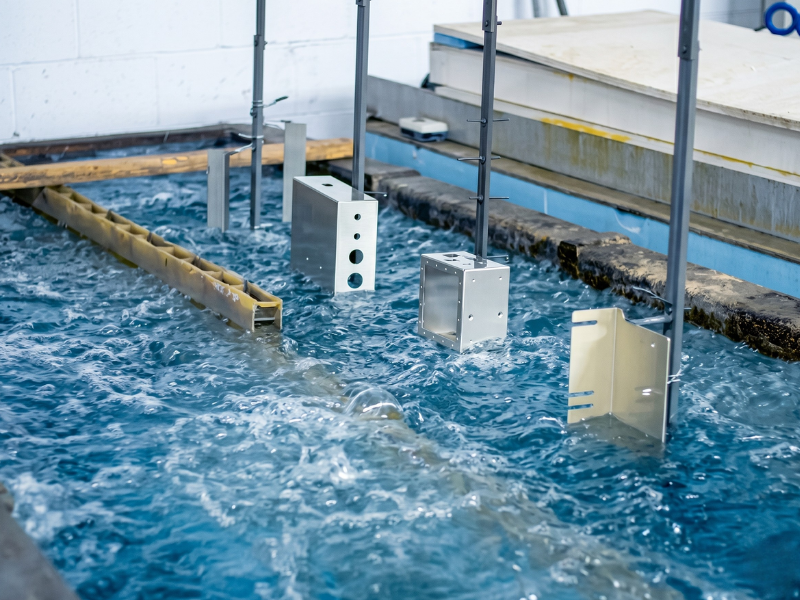
A surface finishing process is a manufacturing step used to modify the outer surface of a metal part. It can improve appearance, corrosion resistance, wear resistance, coating adhesion, electrical conductivity, friction behavior, or other functional properties.
For cast and machined metal parts, surface finishing is not only a cosmetic step. The right finish can protect the part from harsh environments, improve assembly performance, extend service life, and meet customer appearance standards. The wrong finish, however, may cause coating failure, dimensional problems, poor adhesion, or unnecessary cost.
This guide explains the main types of surface finishing processes, 12 common surface finish techniques, and how to choose the right process for different materials, applications, and production requirements.
What Is a Surface Finishing Process?
A surface finishing process is any post-processing method used to change, clean, smooth, coat, or protect the surface of a metal part.
It may:
- remove material, such as polishing, grinding, blasting, or tumbling
- add material, such as plating, painting, powder coating, or Electrophoresis
- change the surface chemically, such as anodizing, passivation, chromate conversion, or phosphate coating
The goal is to make the surface suitable for the part’s final use, whether that means corrosion protection, better appearance, tighter assembly, improved adhesion, or functional performance.
Why Surface Finishing Processes Matter for Metal Parts
A good base design can still fail if the surface treatment is wrong. The right surface finishing process protects the part, improves appearance, and helps it meet functional and environmental requirements.
Most surface finishing processes serve four main purposes:
- Corrosion protection – protects aluminum, zinc alloys, steel, and stainless steel from oxidation, rust, salt spray, and chemical attack.
- Wear resistance – improves surface hardness and reduces abrasion on sliding, contact, or high-use surfaces.
- Appearance and branding – creates consistent color, gloss, texture, and visual quality for visible metal parts.
- Functional performance – controls friction, conductivity, solderability, paint adhesion, bonding performance, or chemical resistance.
For die casting and CNC machined parts, finishing should be selected early because it may affect coating thickness, tolerances, masking, assembly, and cost.
3 Main Categories of Surface Finishing Processes
1. Mechanical Surface Preparation
Mechanical surface preparation removes burrs, oxide, flash, roughness, or surface defects before final finishing.
Common methods include:
- shot blasting / sand blasting
- vibratory finishing / tumbling
- grinding
- polishing
- deburring
This step is especially important for castings because die-cast parts often have parting lines, ejector marks, flash, flow marks, and release-agent residue.
2. Coating and Decorative Finishing
These processes add a protective or decorative layer to the part surface.
Common methods include:
- electroplating
- powder coating
- painting
- Electrophoresis
They are often used when the part needs color, corrosion resistance, wear resistance, or a controlled appearance. Since these processes add thickness, masking and dimensional control are important.
3. Chemical and Electrochemical Surface Treatments
These processes modify the surface through chemical or electrochemical reaction.
Common methods include:
- anodizing
- passivation
- chromate conversion coating
- phosphate coating
They are used to improve corrosion resistance, adhesion, conductivity, or surface stability, depending on the material and application.
12 Common Surface Finishing Methods
1. Shot Blasting / Sand Blasting
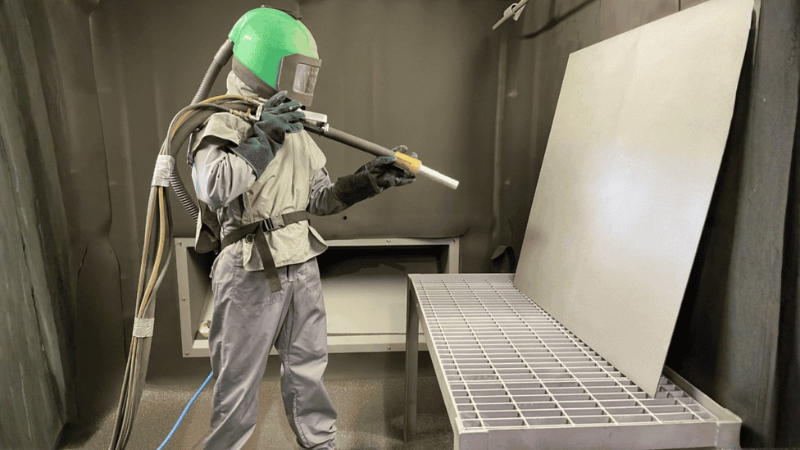
Blasting uses abrasive media to clean, roughen, or texture the surface. It is commonly used before painting or powder coating to improve adhesion.
Best for: castings, coating preparation, matte surfaces
Key caution: excessive blasting can affect dimensions or damage thin areas.
2. Vibratory Finishing / Tumbling
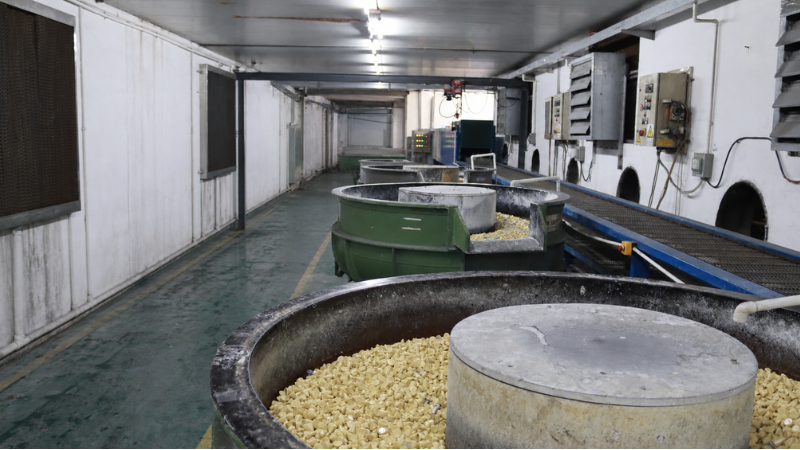
Tumbling and vibratory finishing remove burrs and smooth small parts in batches. They are efficient for high-volume deburring.
Best for: small die-cast or machined parts
Key caution: not ideal for deep internal features or delicate edges.
3. Grinding
Grinding removes extra material, flash, weld marks, or surface unevenness. It is often used when a specific surface area needs correction.
Best for: parting lines, local defects, flat surfaces
Key caution: it removes material, so dimensional tolerance must be checked.
4. Polishing
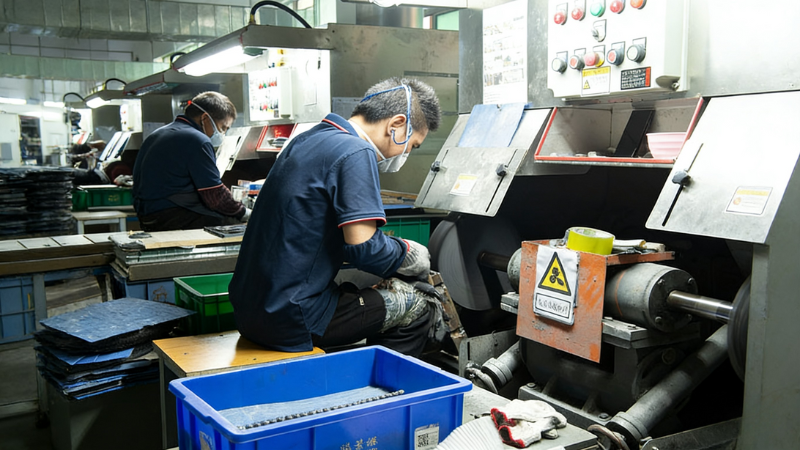
Polishing improves smoothness and appearance. It is common for visible metal parts or surfaces that need lower roughness.
Best for: decorative surfaces, stainless steel, aluminum parts
Key caution: polishing alone does not provide strong corrosion protection.
5. Electroplating
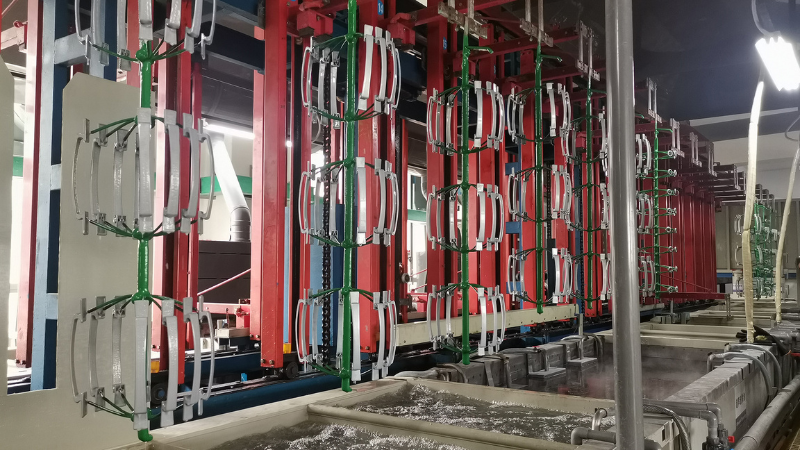
Electroplating deposits a metal layer such as nickel, zinc, chrome, tin, or copper onto the part.
Best for: corrosion resistance, conductivity, decorative metal finish
Key caution: aluminum die castings require proper pretreatment before plating.
6. Powder Coating
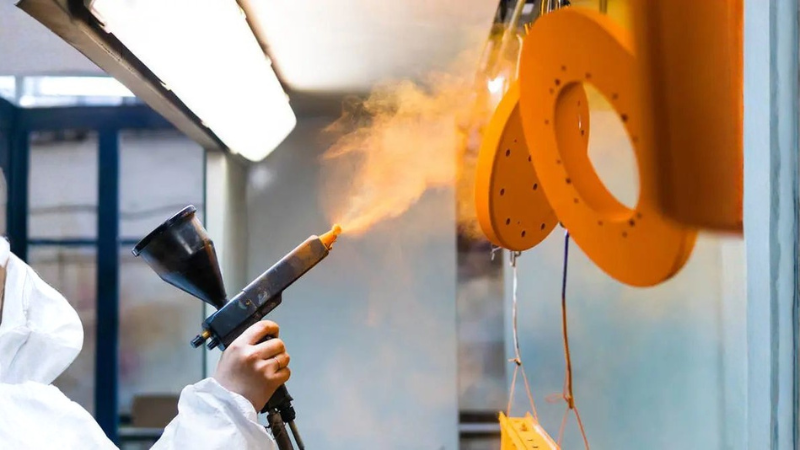
Powder coating applies dry powder and cures it with heat to form a durable protective layer.
Best for: outdoor parts, aluminum die castings, housings, enclosures
Key caution: die-casting porosity can cause outgassing or surface bubbles during curing.
7. Painting
Painting provides color, protection, and surface appearance control. It is flexible and suitable for many part sizes.
Best for: large parts, industrial housings, appearance parts
Key caution: cleaning and surface preparation determine adhesion and durability.
8. Electrophoresis
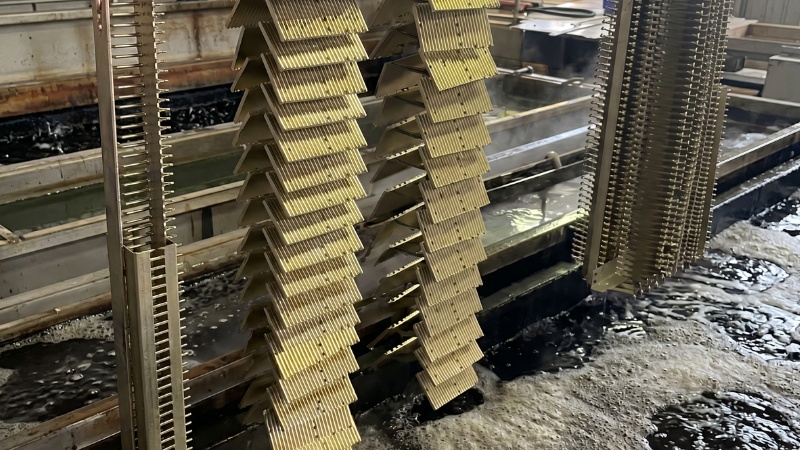
Electrophoresis uses electrical current to apply a uniform coating, especially on complex shapes.
Best for: high-volume parts, complex geometry, corrosion-resistant undercoats
Key caution: process setup and pretreatment must be controlled carefully.
9. Anodizing
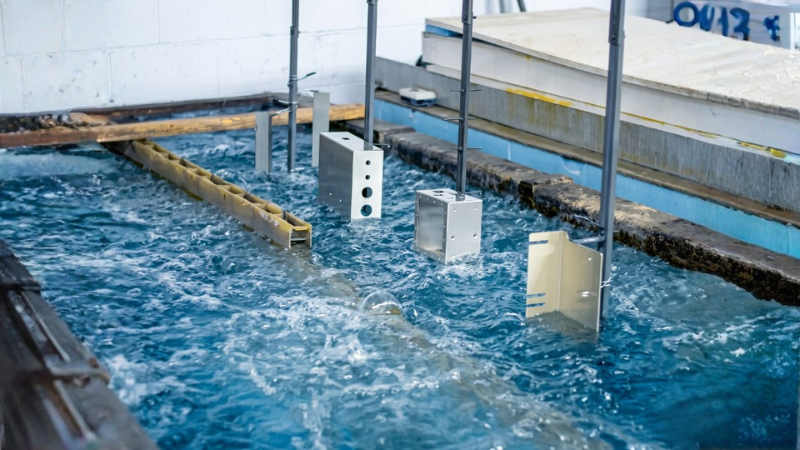
Anodizing is mainly used for aluminum. It thickens the oxide layer to improve corrosion resistance, surface hardness, and appearance.
Best for: aluminum machined parts, aluminum profiles, decorative aluminum parts
Key caution: high-silicon die-cast aluminum may anodize unevenly or appear darker.
10. Passivation
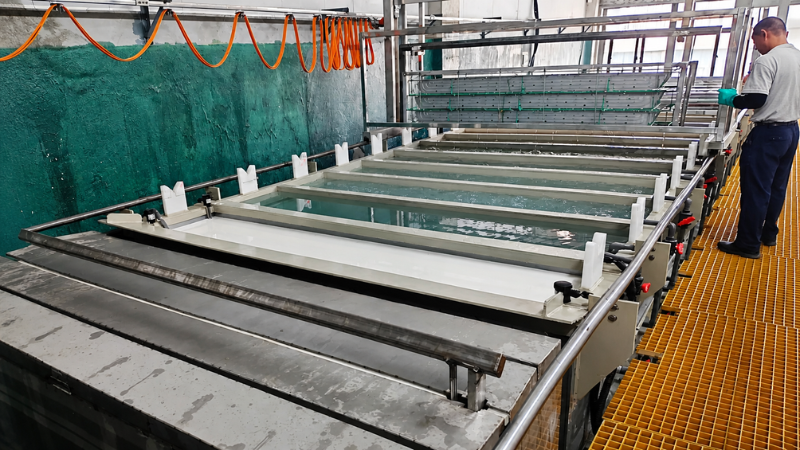
Passivation is mainly used for stainless steel. It removes free iron and improves corrosion resistance.
Best for: stainless steel machined parts and assemblies
Key caution: it is not a thick coating and does not improve wear resistance much.
11. Chromate Conversion Coating
Chromate conversion coating is used on aluminum, zinc, and magnesium to improve corrosion resistance and coating adhesion.
Best for: aluminum parts before painting, conductive surfaces, functional corrosion protection
Key caution: environmental and compliance requirements should be checked.
12. Phosphate Coating
Phosphate coating is commonly used on steel to improve paint adhesion and provide basic corrosion protection.
Best for: steel parts, painted components, automotive and industrial parts
Key caution: it usually needs paint, oil, or sealant for stronger protection.
Additive vs. Subtractive Surface Finish Techniques
Some surface finish techniques add material, while others remove material or modify the surface. This matters because finishing can affect part dimensions.
How to Choose the Right Surface Finishing Process
Choosing the right surface finishing process starts with one question: what does the part need to do in real service?
For most metal parts, the decision usually comes down to five factors:
- Material – aluminum, zinc, stainless steel, carbon steel, and magnesium require different surface finish techniques.
- Function – choose based on corrosion resistance, wear resistance, conductivity, paint adhesion, or friction control.
- Appearance – visible parts may need color, gloss, texture, or a consistent decorative finish.
- Tolerance – plating, powder coating, and painting add thickness, while polishing or blasting can remove material.
- Cost and volume – high-volume parts often need stable, repeatable, and easy-to-control finishing methods.
For example, anodizing is a good option for many aluminum machined parts, but it may not be ideal for high-silicon aluminum die castings that require a uniform decorative appearance. Powder coating is often better for die-cast housings used outdoors, while passivation is a better choice for stainless steel parts that need corrosion resistance with minimal dimensional change.
Surface Finish vs. Surface Finishing: What Is the Difference?
Surface finish is the final surface condition of a part. It may refer to roughness, texture, gloss, color, or appearance. For example, Ra 1.6 μm is a surface finish requirement.
Surface finishing is the process used to create or improve that surface. Anodizing, polishing, blasting, powder coating, and plating are surface finishing processes.
In simple terms: surface finish is the result; surface finishing is the method.
Conclusion
A surface finishing process should be selected based on the part material, application environment, functional requirements, appearance standard, tolerance, cost, and compliance needs.
For die casting parts, the main concerns are porosity, flash, release-agent residue, outgassing, masking, and CNC machining before final finishing. For machined parts, the main concerns are burrs, tool marks, dimensional tolerance, and coating thickness.
The right surface finish protects the part, improves appearance, and supports the final function without creating unnecessary manufacturing risk or cost.
Need Help with Surface Finishing?
Need help choosing the right surface finishing process for your metal parts? Honjenny can support you with material selection, finishing recommendations, and production solutions based on your actual application. Contact Honjenny today to start your inquiry and get technical