
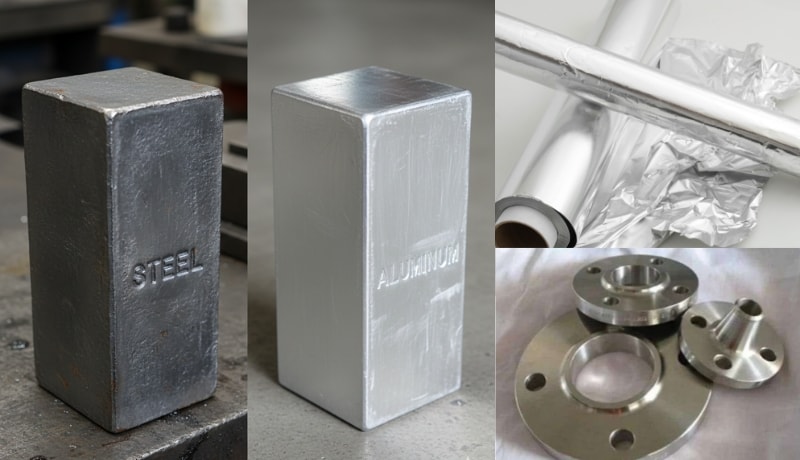
Steel vs aluminum is one of the most common material decisions in manufacturing and construction. Steel typically offers higher absolute strength and stiffness in a compact size, while aluminum delivers major weight savings and strong corrosion resistance.
In this guide, you’ll learn how steel and aluminum compare in strength, stiffness, corrosion behavior, cost, and fabrication,so you can choose the better option for your specific project requirements.
Steel vs Aluminum Strength
When comparing steel and aluminum, strength is a major factor that comes to mind. This section compares these two metals in reference to their strength and performance.
Tensile and Yield Strength
Steel is stronger than aluminum when comparing equal-sized pieces. A steel beam can support more weight than an identical aluminum beam. This is the reason why constructors use steel in large buildings and massive construction.
There are lots of types of aluminum, though. Some aluminum alloys are very strong.Some heat-treatable aluminum alloys (for example, 6061-T6 or 7075-T6) can achieve high strength, especially on a strength-to-weight basis.Ordinary aluminum is inferior to steel, but special ones bridge the gap.
Iron and carbon together make steel strong. This mix creates a hard material that doesn’t easily bend under heavy weight.
Strength-to-Weight Ratio
Aluminum is about one-third the density of steel, so it can deliver major weight savings. However, “better” depends on the design goal: steel usually wins on absolute strength and stiffness per volume, while aluminum often wins when weight, corrosion resistance, and ease of handling matter.
A beam of aluminum may not be as strong as a beam of steel of the same dimensions. You can make the aluminum beam larger, and it will still weigh less than the steel beam. This larger aluminum beam may be equally strong. This is the reason aluminum is used in airplanes and race cars.
Where performance can benefit from the lower weight of aluminum, it is chosen by the engineers. Lighter cars use less gas. The smaller planes are able to bring more cargo.
Which Is Stronger in Real-World Use?
It all depends on what you are constructing. In the housing of buildings and bridges, steel mostly prevails. In a smaller size, steel has greater strength, making it suitable for construction.
In moving things or those that must be light, aluminum is a better choice. Race cars, airplanes, and portable equipment use aluminum. These things are better at a lighter weight.
Comparison Table: Steel vs Aluminum Strength
Ranges vary by alloy/grade, temper/heat treatment, and product form.
Steel vs Aluminum Weight & Density
Density affects weight, handling, and structural design. Aluminum is about one-third the density of steel, so the same-size part can weigh roughly 60–70% less in aluminum.

Density Comparison
Aluminum is approximately a third the weight of steel. This is a huge difference. When a steel cast and an aluminum cast are of the same size, the cast of aluminum weighs 65 percent less.
Aluminum parts have to be larger to achieve the same strength as steel. Even when it is scaled up, the aluminum parts tend to be lighter than the steel.
Impact of Weight on Design
Everything concerning a product is influenced by weight. Heavy steel components require solid supports and massive cranes to lift them. There is an increased cost of trucks to transport heavy materials.
Everything is easier with aluminum due to its lightness. Staff members can haul larger aluminum items. Shipping costs go down. The process of installation is quicker and less risky.
When it comes to moving parts, lightweight does come in handy. Lighter cars use less gas. Lighter wheels save energy. Energy savings accumulate over the years.
When Lightweight Materials Win
Aircraft should be as light as they can be. This is the reason why most aircraft use aluminum. Automobile manufacturers are consuming more aluminum with the aim of conserving energy.
Manufacturers make cars lighter with aluminum body panels, engines, and wheels. This helps cars meet fuel-economy regulations.
The portable items must be light. Scaffolding, hand tools and ladders are easier to use when they are made of aluminum. An aluminum finish is also a benefit of using this alloy.
Steel vs Aluminum Corrosion Resistance
Metal’s lifespan depends greatly on its ability to see if it is corrosion-resistant. Aluminum and steel behave differently when exposed to moisture and environmental conditions.
How Steel Corrodes
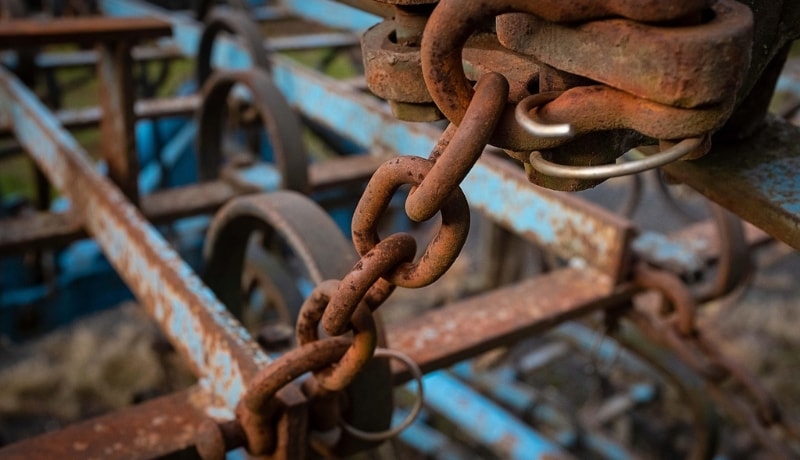
Steel rusts when it gets wet. Iron in steel is combined with water and air to form rust. The rust deteriorates the metal and continues to spread. When you expose steel to the open, it rusts so easily.
You must save steel against rust. The stainless steel material does not rust by nature; however, it is quite expensive. You also have to check on the steel regularly and repaint it where necessary.
How Aluminum Resists Corrosion
Aluminum forms a protective layer in the air. This clear coating protects the aluminum underneath from water and air. The best thing is that this layer adheres in case it is scratched.
This is natural protection, which makes aluminum excellent for outdoor applications. Aluminum forms a protective oxide film that improves corrosion resistance in many outdoor environments. In marine conditions it often outperforms carbon steel, but designers still need to manage pitting and galvanic corrosion (for example, by isolating dissimilar metals and using proper coatings).Mostly, you do not have to paint aluminum. It takes care of itself.
Which Lasts Longer Outdoors?
Aluminum normally has a longer span of existence without any shielding. The natural protective oxide layer operates every year with very minimal maintenance. Steel requires protection; otherwise, it rusts. You have to repaint the steel after a few years (even with paint).
Aluminum is practically always superior near the ocean. Steel rusts very quickly due to salt air. Boats and buildings near the coast last longer when made of aluminum.
Steel vs Aluminum Cost
Let’s break down what each metal actually costs:
Raw Material Cost
The price of steel is lower than the price of aluminum when purchasing raw materials. The supply of iron ore is very high, and this keeps the price of steel at low levels. Steel is available much cheaper than aluminum in terms of price per kilogram.
Aluminum consumes more energy to produce. It consumes much power in the production process. This increases the cost of aluminum. However, you require less aluminum since it is lighter.
Lifecycle Cost
It is not all about the first price you pay. Consider long-term costs, including installation costs, maintenance expenses, potential repairs, and disposal fees.
Steel requires frequent servicing. You must have fresh paint every few years. If it rusts, you need repairs. These expenses are cumulative over 20 or 30 years.
Over the full lifecycle, aluminum can be cost-effective in outdoor or corrosive environments because it often needs less maintenance. Steel can still be cheaper overall when corrosion is controlled (galvanizing/coatings) and when high stiffness is required in compact sections.
Cost vs Performance Trade-Offs
It is a mistake to view the material price alone. Consider the entire project, installation costs, maintenance costs, and duration.
In the case of constrained budgets, steel is cheaper. Aluminum tends to save money in the long-term project when the items have to last 20 years or more. You pay now and pay off in terms of maintenance.
Steel vs Aluminum Fabrication & Manufacturing
Making parts from these metals requires different skills and tools. Understanding these differences helps you create a more precise production plan.
Welding
Welding of steel is simpler compared to that of aluminum. A majority of welders are conversant with the method of welding steel. Ordinary welding techniques are effective. Welding of steel is safe and durable.
Aluminum welding is harder. Individual skills and equipment are required. Aluminum conducts heat radically, and thus it is difficult to make a weld. TIG welding is more skillful, and it needs training.
Machining
Aluminum cuts faster than steel. The softer metal is less difficult to machine. Cutting tools last longer. You can support parts more quickly, and this will save money.
Steel is less resistant to cutting tools. You have to cut slower. This increases the cost of machine steel parts.
Forming & Bending
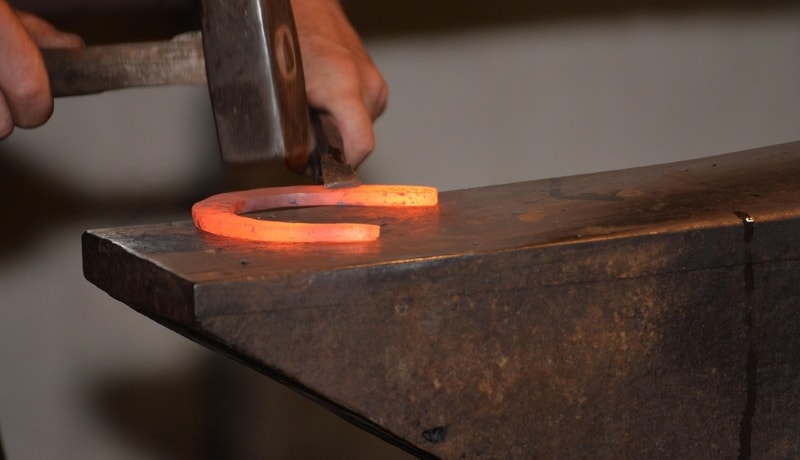
Aluminum is generally easier to form than steel, especially in softer tempers. However, high-strength tempers may crack in tight bends, so designers often form first and then heat-treat when possible.
After bending, steel can maintain its shape. This is good for springs. But steel is harder to bend. When showing tight bends, perhaps a steel alloy is a better option.
Comparison Table
Steel vs Aluminum: Pros and Cons
Steel Pros & Cons
Pros:
- Stronger in the same size
- Costs less to buy
- Easy to weld
- Stays rigid and holds shape well
- Has magnetic properties
Cons:
- Very heavy
- Rusts without protection
- Needs frequent painting and repair.
- It will be more expensive to transport due to the weight.
- More power to transport and install.
Aluminum Pros & Cons
Pros:
- Extremely light (a third of the weight of steel)
- Doesn’t rust easily
- Needs almost no maintenance
- Good strength for the weight
- Cuts and machines quickly
Cons:
- Not as strong as steel
- Costs more to buy
- Harder to weld
- Bends more easily than steel
- Higher initial price
How to Choose Between Steel and Aluminum
Choose Steel If…
Steel is well-suited for handling heavy loads in small sizes. Pick steel in cases of tight space.
Your budget is tight. Steel is cheaper to purchase at the time of purchase. Steel is also favored in short-term projects that will not require much in terms of maintenance.
You are constructing in the house when rust is not an issue. Steel works well within buildings. You get power at a good price.
Choose Aluminum If…
In case of lighter being better, then use aluminum. Moving objects, cars, and transportable items perform the task better when light.
Aluminum doesn’t rust. Outdoor buildings are much more durable. Aluminum will be the correct option near the ocean.
You want something that will be good-looking over the years with minimal effort. Aluminum requires little maintenance to maintain its appearance.
FAQs
Is steel stronger than aluminum?
Yes, steel is stronger than aluminum when you compare the same size. Steel, such as carbon steel, can hold more weight in a smaller space. But aluminum has better strength for its weight.
Why is aluminum used instead of steel?
Aluminum is used instead of steel mainly because it’s light and doesn’t rust. When weight matters, aluminum is better.
Is aluminum more expensive than steel?
Yes, aluminum costs more than steel when you buy it. But over time, aluminum can be cheaper. You don’t need to paint it or maintain it much.
Which is better for outdoor use?
Aluminum is better for outdoor use. It creates a natural protective layer that stops rust. Steel rusts when exposed to rain and moisture. You need to paint steel and repaint it every few years. Aluminum needs almost no maintenance outdoors.
Conclusion
Both metals, steel and aluminum, are good. Each is not superior in everything. The correct option here will be determined by the nature of what you are building, where you are going to use it and your budget.
Steel also provides you with strength in less space and at a lower price. It is ideal in massive buildings and interiors. Aluminum is lightweight, it does not rust, and it does not need much maintenance. It is ideal for outdoor projects and any other job that requires lightness.
Think about what you need. The proper metal will make your project last and work better.
Get Expert Help Choosing Between Steel and Aluminum from Honjenny
Honjenny offers CNC machining, sheet metal fabrication, welding, and aluminum surface finishing. Our team has decades of experience with both metals.
Whether you need aluminum parts for lightweight products or steel fabrication for heavy-duty uses, we can help. We provide advice on which metal to use and help you design parts that work well and cost less.
Visit our homepage to see all our metal fabrication services. Ready to start? Contact us today for a free quote. We’ll help you choose the best metal for your needs and budget.