
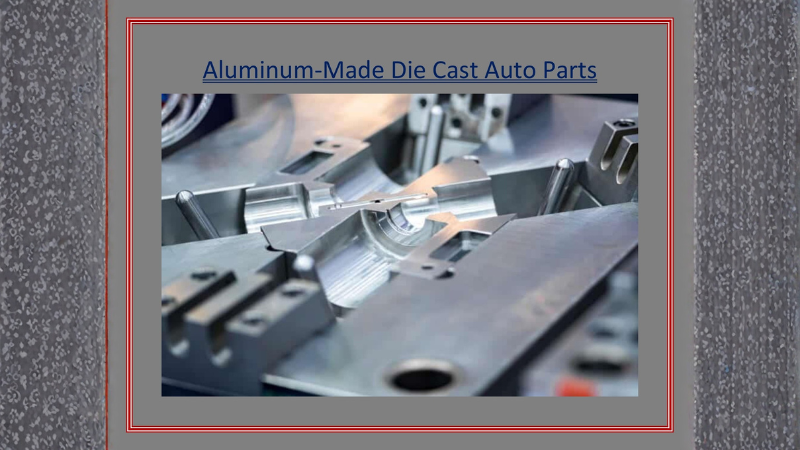
The modern manufacturing industry can barely thrive without aluminum die casting. Its exceptional benefits for mass production remain unmatched. However, your choice of aluminum alloy ultimately decides the outcome.
Precise alloy selection is mandatory when it comes to aluminum die casting. This guide can navigate the many aluminum die-cast alloys. Identify the best alloy to coincide with your project requirements from every aspect.
What Are Die-Cast Aluminum Alloys?
Die-cast aluminum alloys are specialized materials engineered for high-pressure casting. More specifically, these are aluminum-based materials enhanced with alloying elements.
Silicon (Si), copper (Cu), magnesium (Mg), manganese (Mn), and zinc (Zn) mostly occupy the alloying share. And each element brings in unique benefits for the corresponding alloy.
- Silicon (Si): Improves fluidity and reduces shrinkage, making alloys easier to cast.
- Copper (Cu): Enhances strength and hardness but may reduce corrosion resistance.
- Magnesium (Mg): Boosts strength and improves corrosion resistance.
- Manganese (Mn): Increases toughness and wear resistance for mold making.
- Zinc (Zn): Improves strength and machinability, but excessive % can reduce durability.
Alloys are formulated for excellent mold filling and fluidity in high-pressure die casting (HPDC). It can accomplish complex geometries and thin walls with consistency.
Why Aluminum Alloys Are Ideal for Die Casting?
- High Fluidity: Ensures precise mold filling, even for intricate designs.
- Strength-to-Weight Ratio: Aluminum alloys are lightweight yet strong, which improves fuel efficiency.
- Corrosion Resistance: Natural oxide layers protect the service life.
- Fast Cycle Times: The thermal conductivity allows rapid cooling, enabling shorter production cycles and better mold making.
- Clean Surface Finishing: Apply anodization, powder-coating, or plating.
Aluminum Die Casting Standards
ASTM / SAE (United States): Defines alloy compositions and mechanical properties in automotive and aerospace industries.
EN AC (Europe): European standards (EN 1706) specify chemical composition and mechanical properties for casting alloys.
GB/T (China): National standards regulate alloy chemistry and performance, with ADC12 being one of the most common grades.
Common Aluminum Die Casting Alloys
You may hear of aluminum grades or series (1xxx – 7xxx) while working with aluminum. However, our focus lies on the best alloys, not the grades. We enlisted the most favored options based on usability.
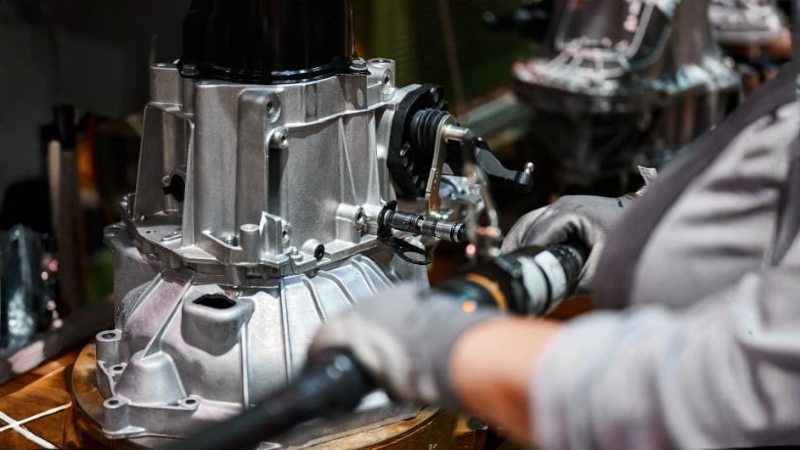
- A380 (ASTM – North America Standard)
It’s the most widely used aluminum die casting alloy in North America.
Properties
- High tensile strength (240 – 310 MPa).
- Good corrosion resistance.
- Excellent castability and dimensional stability.
Limitations
- Moderate ductility, not ideal for parts requiring high elongation.
- Copper content reduces corrosion resistance in marine environments.
Applications
- Automotive engine blocks, gear housings, transmission cases.
- Consumer electronics housings.
- Over 60% of automotive aluminum castings in the US use A380.
- ADC12 (GB/T – Asia Standard)
Equivalent to A380 but optimized for Asian manufacturing.
Properties
- Excellent fluidity for thin-walled castings.
- Good corrosion resistance.
- Balanced strength and machinability.
Limitations
- Slightly lower mechanical strength.
Applications
- Laptop housings, mobile device frames.
- Marine components due to better corrosion resistance.
- ADC12 is the go-to alloy in Japan and China for consumer electronics.
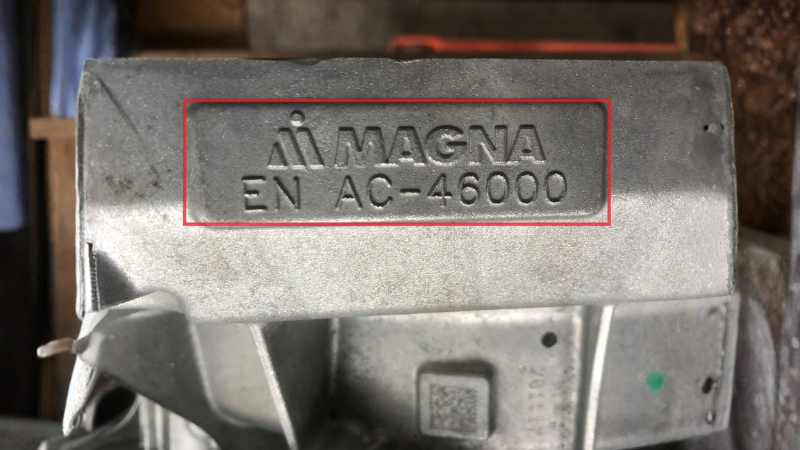
- EN AC-46000 (European Standard)
Popular European alloy under EN 1706 standards.
Properties
- Good strength and toughness.
- Excellent corrosion resistance.
- High thermal conductivity.
Limitations
- Higher cost compared to A380/ADC12.
Applications
- Pump housings, mechanical parts, and industrial machinery.
- Widely used in European automotive parts exposed to moisture and chemicals.
- AlSi10Mg
High-performance alloy with magnesium for strength and corrosion resistance.
Properties
- High ductility and toughness.
- Excellent corrosion resistance.
- Good thermal properties.
Limitations
- Higher cost, slower cycle times.
Applications
- Aerospace lightweight structures.
- EV battery housings requiring thermal management.
- Used in additive manufacturing (3D printing) as well as die casting.
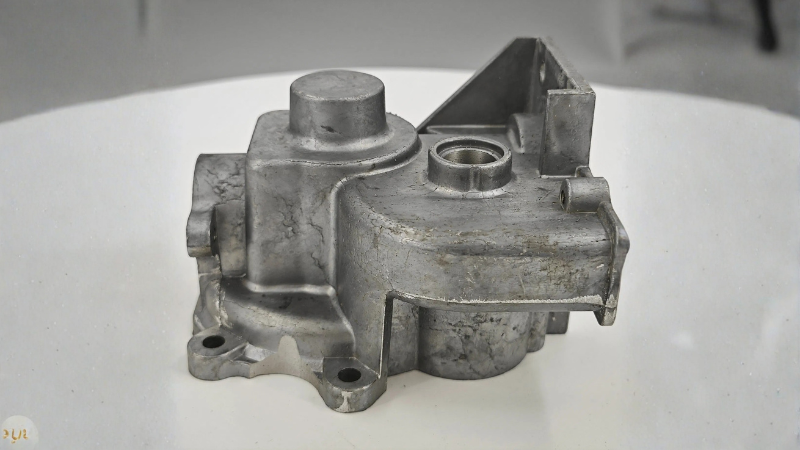
- AlSi9Cu3
Copper-rich alloy with excellent strength.
Properties
- High mechanical strength.
- Good wear resistance.
- Excellent fluidity for complex molds.
Limitations
- Reduced corrosion resistance due to copper content.
Applications
- Automotive transmission cases, engine brackets.
- European automotive industry, balancing cost and performance.
- AlSi11Cu2
Alloy optimized for thin-walled, complex castings.
Properties
- High strength.
- Excellent fluidity.
- Good machinability.
Limitations
- Lower corrosion resistance.
Applications
- Thin-walled automotive and industrial components.
- Ideal for high-volume production where mold filling speed is critical.
- AlMg2Si (Magnesium-rich Alloy)
Alloy with higher magnesium content for toughness.
Properties
- High ductility and toughness.
- Excellent corrosion resistance.
- Good thermal conductivity.
Limitations
- More expensive, harder to cast due to lower fluidity.
Applications
- Marine components, aerospace parts.
- Used in shipbuilding and offshore equipment where saltwater resistance is vital.
- AlZn10Si8 (Zinc-rich Alloy)
High-strength alloy with zinc for added hardness.
Properties
- Very high strength.
- Good machinability.
- Moderate corrosion resistance.
Limitations
- Lower ductility, prone to brittleness.
Applications
- Industrial machinery, high-load mechanical parts.
- Often chosen for heavy-duty applications where strength outweighs corrosion concerns.
- EN AC-47100
The European alloy marks extensive preference in automotive wheels.
Properties
- High strength and toughness.
- Good corrosion resistance.
- Balanced thermal properties.
Limitations
- Medium cost, less fluidity compared to ADC12.
Applications
- Automotive wheels, housings, and mechanical parts.
- Common in European automotive OEMs for safety-critical components.
- Custom/Modified Alloys
Tailored alloys developed for specific industries.
Properties
- Tuned for thermal management, corrosion resistance, or machinability.
- Flexible composition (reduced copper for marine use, added Mg for aerospace).
Limitations
- Higher R&D and production costs.
Applications
- EV battery housings, medical devices, and aerospace components.
- Custom alloys are increasingly used in electric vehicles for thermal management and light-weightness.
Comparison Table: Common Aluminum Alloy Options
How to Choose the Right Alloy for Your Project
Selecting the right aluminum die casting alloy is a critical engineering decision. Your alloy choice directly influences the performance outcomes in terms of strength, durability, resistance, operability, and cost.
01. Define Your Project Priorities
- Strength and Load-Bearing Capacity: Automotive engine blocks, transmission housings, and aerospace brackets demand high tensile strength.
- Corrosion Resistance: Marine equipment, outdoor electronics, and pump housings require alloys with low copper content and high magnesium/silicon balance.
- Fluidity and Castability: Thin-walled or complex parts (electronics housings, intricate automotive components) need alloys with high silicon for mold filling.
- Thermal Properties: EV battery housings and aerospace parts benefit from alloys with high thermal conductivity (AlSi10Mg).
02. Match Alloy Properties to Application
- Automotive: A380 (ASTM, North America) is strong, cost-effective for engine blocks and gear housings. AlSi9Cu3 (Europe) has high strength + excellent fluidity for transmission cases.
- Consumer Electronics: ADC12 (Asia) features excellent fluidity and corrosion resistance, perfect for laptop housings and mobile frames.
- Aerospace and EVs: AlSi10Mg comes with High ductility, corrosion resistance, and thermal conductivity. It has growing adoption in lightweight aerospace structures and EV battery housings.
- Marine and Outdoor Equipment: AlMg2Si, a magnesium-rich alloy, holds superior corrosion resistance for shipbuilding and offshore equipment.
- Industrial Machinery: AlZn10Si8 marks incredibly high strength. It’s highly suitable for heavy-duty mechanical parts where toughness outweighs corrosion concerns.
03. Consider Regional Standards and Supply Chains
- North America (ASTM/SAE): A380 dominates due to cost efficiency and availability.
- Asia (GB/T): ADC12 is preferred for consumer electronics and/or products.
- Europe (EN AC): EN AC-46000 and EN AC-47100 are common in automotive and industrial machinery.
04. Balance Cost vs Performance
- High-volume automotive parts: A380 remains the most cost-effective alloy globally.
- Specialized aerospace/EV parts: Higher-cost alloys like AlSi10Mg are justified due to performance needs.
- Consumer electronics: ADC12 balances cost, fluidity, and corrosion resistance as the industry standard.
Alloy Choice: Project Costs and Lead Times

- Material Cost Differences
A380 (ASTM, North America) and ADC12 (Asia) are the most economical choices. A balance of strength, corrosion resistance, and castability makes them ideal for high-volume production.
AlSi10Mg and AlMg2Si are more expensive due to higher magnesium content and superior corrosion resistance. AlZn10Si8 is also costly due to its zinc-rich alloy composition.
- Machining Cost
High-Si Alloys (A390, AlSi11Cu2): Silicon increases hardness, which dramatically raises machining costs. Cutting tools wear faster, requiring more frequent replacement and slower machining speeds.
Impact on Budget: Machining costs for high-Si alloys can be 2–3 times higher than for standard alloys like A380. It makes them suitable only when thin-wall precision or wear resistance is critical.
- Defect Rates and Scrap
Casting Difficulty: Alloys with high copper or zinc content (AlSi9Cu3, AlZn10Si8) are harder to cast, leading to higher rejection rates. Poor fluidity or shrinkage issues increase scrap, raising overall costs.
Expert Advice: Always factor in scrap and rework costs when budgeting alloy choice. A cheaper alloy with high rejection rates may end up more expensive than a premium alloy with stable yields.
- Tooling Wear
Metallurgical impact: High-iron alloys reduce sticking to the die but can lower ductility. High-silicon alloys increase wear on tooling surfaces, shortening die life.
Cost implications: Tooling represents 15–25% of total die casting project costs. Frequent die replacement or maintenance increases lead times and production costs.
Surface Finishing Compatibility in Aluminum Die Casting Alloys
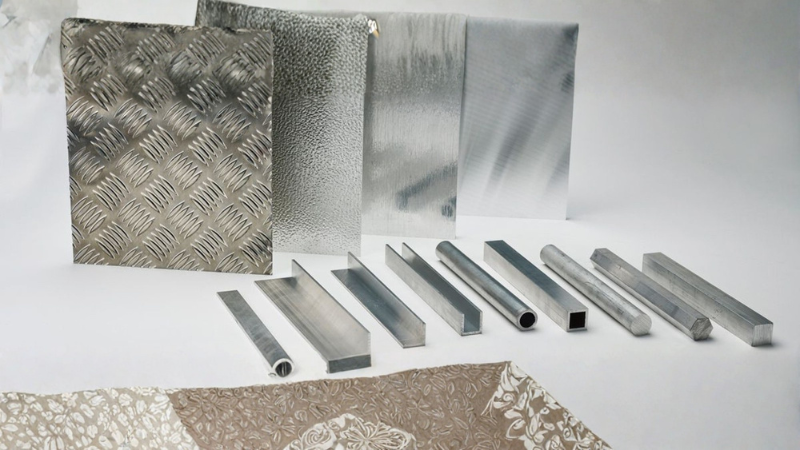
- Anodizing
Anodizing enhances corrosion resistance, wear resistance, and aesthetics. High-silicon alloys are often anodized only for functional protection, not cosmetic appeal.
Alloys that anodize well: Low-silicon alloys (AlMg2Si, AlSi10Mg) produce bright, uniform finishes.
Alloys that anodize poorly: High-silicon alloys (A380, ADC12, A390) tend to yield dull grey or dark finishes due to silicon particles disrupting oxide layer formation.
- Powder Coating
It works well on most die-casting aluminum alloys, including high-silicon grades. You can have a uniform, durable finish that resists corrosion and mechanical wear.
Wide color and texture options are available. It’s also environmentally friendly compared to liquid paints (low VOC emissions). Coating offers excellent adhesion on alloys like A380 and ADC12.
Powder coating is the preferred finishing method in the automotive and electronics industries worldwide. It’s the go-to choice for parts where anodizing is limited.
- Mechanical Finishes
Polishing: Produces smooth and reflective surface finishes; best for low-silicon alloys.
Shot blasting: Removes surface imperfections and creates a matte texture; widely used in automotive housings.
Bead blasting: Provides finer, satin-like finishes; common in electronics and medical devices.
CNC machining for cosmetic surfaces: Ensures precision and aesthetic appeal, often used for premium consumer products.
Top Applications
- Automotive: Shot blasting is standard for engine housings before coating.
- Electronics: Bead blasting + CNC machining is used for laptop housings (Apple MacBook frames).
- Industrial: Polishing is applied to pump housings and mechanical parts requiring smooth surfaces.
Mechanical finishing often precedes powder coating, over anodizing, or plating to improve adhesion and surface quality.
- Special Coatings
Plating (nickel, chrome): Applied when alloys require enhanced wear resistance or decorative finishes.
Hard anodizing: Used for aerospace and defense parts needing extreme wear resistance and thermal stability.
Chromate conversion coatings: Provide corrosion resistance and serve as a primer for paint or powder coating.
Real-Time Examples
- Marine industry: AlMg2Si alloys often receive chromate conversion coatings for saltwater resistance.
- Aerospace: Hard anodizing is applied to AlSi10Mg brackets for durability under vibration and stress.
- Consumer electronics: Nickel plating is used on ADC12 housings for premium aesthetics and scratch resistance.
Common Mistakes While Choosing an Alloy
The wrong call can inflate costs, slow production, and compromise real-world performance. Some errors are more frequent, even with the best manufacturers.
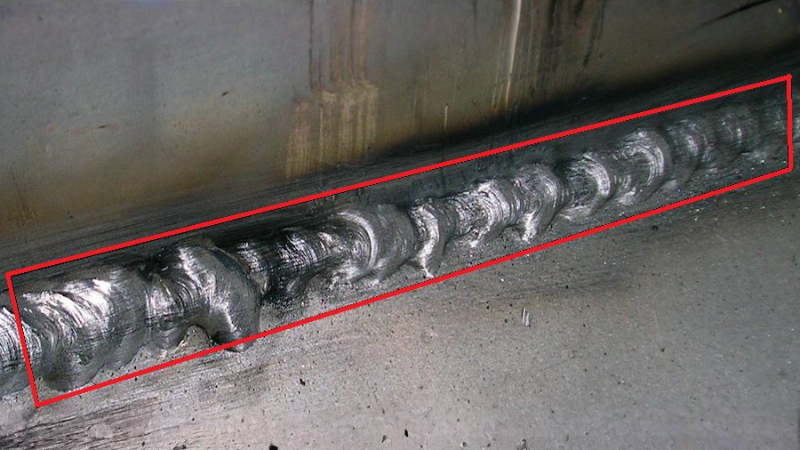
- Over-Specifying High-Performance Alloys
High-performance alloys introduce higher material prices, slower cycle times, tougher machining, and stricter process windows.
Premium alloys can raise total part cost through material price, tool wear, and extended finishing time.
Your overall gain in wear or high-temperature stability may come with reduced ductility or more brittle behavior in impact scenarios.
How to Resolve/Fix
- Define Critical Loads First: If your part isn’t operating at high heat, high wear, or sustained fatigue, a general-purpose alloy (like A380/ADC12) often meets spec with lower total cost.
- Validate with Pilot Runs: Run limited trials to confirm real cycle time, yield, and finishing quality before locking in premium chemistries.
- Forgetting About Machinability
Machinability is frequently an afterthought, which it shouldn’t be. High silicon alloys are abrasive, reducing tool life and increasing cycle time and scrap from cosmetic defects.
- Production Impact: Faster tool wear and slower feeds raise per-part cost and extend lead time even when raw material is affordable.
- Finishing Risks: Post-machined cosmetic surfaces can show micro-tearing or inconsistent sheen on hard, silicon-rich matrices.
How to Resolve/Fix
- Map All Post Ops Early: If your design requires extensive drilling, facing, or surface milling, favor alloys with moderate Si and proven machinability (A380, ADC12, AlSi9Cu3).
- Use Carbide/PCD Tools + Proper Coolants: Specify tooling and parameters tuned to the alloy’s abrasiveness to protect both cost and surface quality.
- Ignoring Environment (Corrosion Exposure)
Alloy choice must reflect the operating environment. Copper-rich alloys improve strength but can underperform in humid, salt spray, or chemical exposure.
- Common Mismatch: Using high Cu grades for outdoor parts leads to premature pitting and finish degradation.
- Design Consequence: Coating systems are forced to “carry” performance, raising finishing cost and complexity.
How to Resolve/Fix
- Minimize Cu for Marine/Outdoor: Prefer A360, AlSi10Mg, or Mg lean variants for better corrosion performance.
- Specify Finishing Stack: Combine alloy choice with anodizing (where cosmetic is needed and alloy allows) or chromate conversion + powder coating for long-term protection.
- Using A380 for Pressure-Tight Parts
A380 is a versatile, cost-effective workhorse. However, it’s not optimized for pressure tightness in fluid handling systems.
Further porosity can cause leakage paths in hydraulic, pneumatic, or pump bodies despite good average mechanical strength.
Alloys exclusively formulated for pressure tightness (like A413) reduce leak risk and rework in pressure-tested assemblies.
How to Resolve/Fix
- Pressure Test Early: Validate castability and porosity behavior under process realistic parameters before committing.
- Design for Sealing: Pair pressure-tight alloys with geometry that supports seals and avoids thin sections near pressure zones.
- Not Consulting the Manufacturer Early in the Design Stage
Late engagement with the manufacturer leads to disasters. It can be thin walls that don’t fill, cosmetic surfaces that don’t finish cleanly, or alloys that fight the process.
DFM gaps like missed details in draft, gating, venting, and wall transitions raise scrap and tool wear.
Foundry-specific capabilities (machine tonnage, thermal control, and shot sleeve configuration) can effectively influence which alloys run best.
How to Resolve/Fix
- Co-Design from the Start: Share priority properties (strength, corrosion, finish, pressure tightness), target volumes, and finishing requirements before finalization.
- Trial Coupons: implement alloy “probe” parts to validate fluidity, porosity, and finish on the actual line before scaling.
Practical Checks to Prevent Alloy Selection Errors
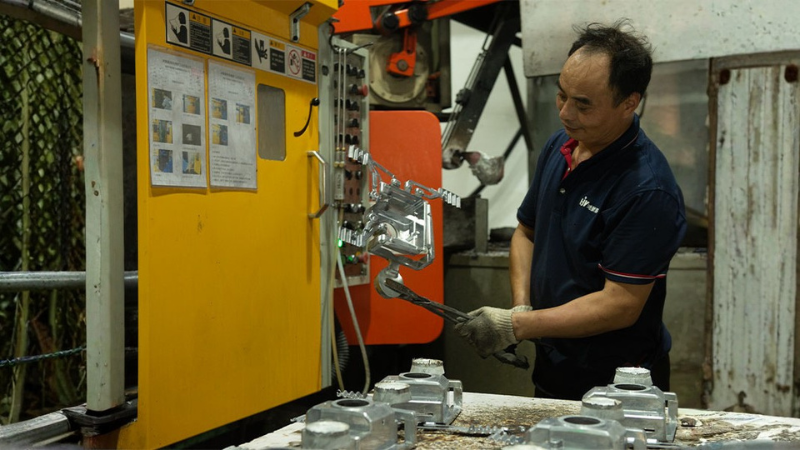
a. Performance Profile
- Strength vs Environment: If outdoors or marine, lower Cu and consider protective coatings.
- Wear/Heat vs Machinability: If high wear or heat is essential, accept machining costs; otherwise, choose moderate Si for lower post op expense.
b. Manufacturing reality
- Thin Walls/Complex Features: Favor high fluidity alloys (ADC12/A383, AlSi9Cu3), and validate fill with flow simulation and pilot runs.
- Pressure-Tight Parts: Choose pressure-tight chemistries (A413), and confirm with helium or hydraulic pressure testing.
c. Finishing Compatibility
- Cosmetic Anodizing: Prefer lower Si alloys; expect gray, non-uniform anodize on high Si grades.
- Powder Coating/Plating: Broadly compatible, but pre-finish mechanical treatments (bead/shot blasting, polishing, CNC surfacing) should be tuned to alloy hardness.
d. Economics and Lead Time
- Total Landed Cost: Add material price, cycle time, yield/scrap, tool wear, and finishing—not just raw alloy cost.
- Supply Chain: Align to regional standards (ASTM/SAE, EN AC, GB/T) for availability and second source resilience.
FAQs
What is the most commonly used aluminum die casting alloy?
A380 is the most widely used alloy globally due to its balance of strength, cost efficiency, and castability.
Which aluminum alloy is best for thin-walled parts?
ADC12 and A383 are ideal for thin-walled, complex geometries thanks to their high silicon content and excellent fluidity.
How do aluminum die casting alloys compare to zinc alloys?
Aluminum alloys are lighter and more corrosion-resistant. Meanwhile, zinc alloys offer higher strength and better machinability but are heavier.
Can aluminum die casting alloys be welded?
Most die-cast alloys are not easily weldable due to porosity and alloying elements. However, mechanical fastening or adhesive bonding is common.
Conclusion
Pointing out the best aluminum die casting alloy is never a one-size-fits-all task. You must balance the performance, manufacturability, and cost regarding your project specs. The wrong choice leads to high scrap rates, machining challenges, and even premature part failure. In contrast, the right alloy unlocks efficiency, durability, and long-term value across industries.
Top-Quality Aluminum Die-Cast Parts at HONJENNY
Honjenny sits on top of the global supply chain with optimal precision for aluminum die casting services. We’ve been in the industry for 30+ years with commitment and innovation. Contact us to know further.