
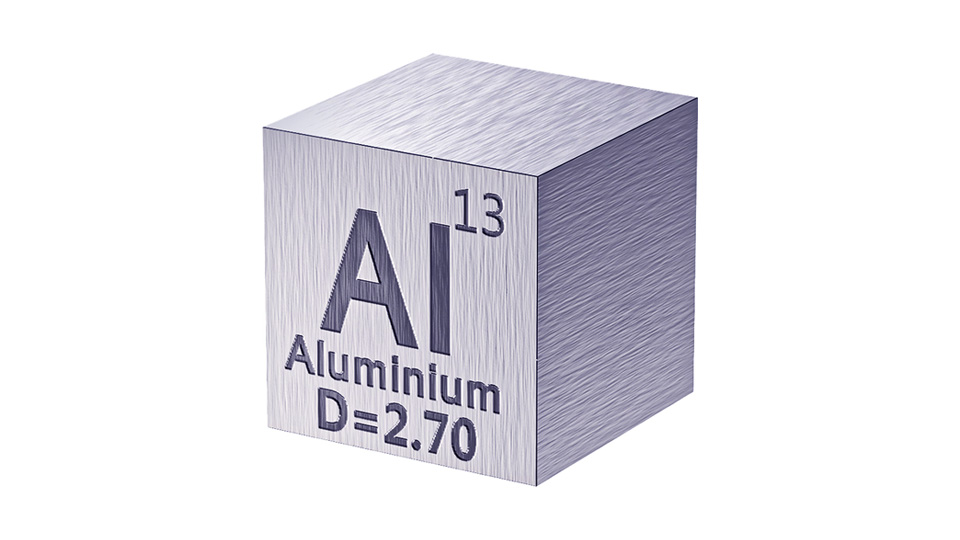
The density of aluminum is one of the main reasons this metal is widely used in aerospace, automotive, construction, and industrial manufacturing. At 2.70 g/cm³, aluminum is much lighter than steel, making it a practical choice for weight-sensitive applications.
In this article, you’ll learn the density of aluminum in different units, how it compares with other metals, and why it matters in alloy selection, product design, and B2B manufacturing.
Density of Aluminum in Different Units
Density can be expressed in different units depending on the industry, market, and engineering standard being used. Scientists often use g/cm³, engineers typically use kg/m³, and buyers or manufacturers in imperial-measurement markets may use lb/in³ or lb/ft³.
Common Unit Conversions
Why Do Multiple Units Matter?
Using the correct density unit is important for engineering design, material comparison, logistics calculations, and communication across international markets. For example, kg/m³ is often used in design and construction documents, while lb/in³ may appear in U.S. manufacturing and machining contexts.
What are the advantages of Aluminum’s low density?
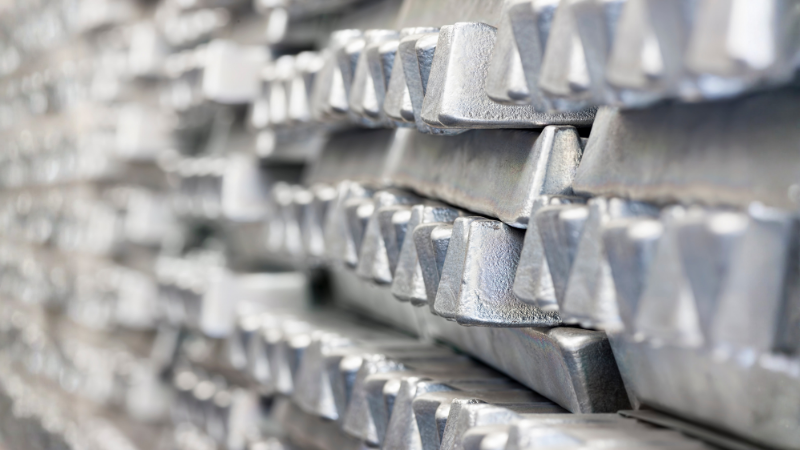
Aluminum has a relatively low atomic mass and a crystal structure that contributes to a favorable mass-to-volume ratio. In simple terms, aluminum provides useful structural performance without adding as much weight as many competing metals.
This is why aluminum is commonly selected for weight-sensitive designs. In practical applications, lower density can support easier handling, lighter assemblies, lower transportation weight, and improved energy efficiency.
Density of Aluminum Alloys
Pure aluminum is not used in every industrial application. In many real-world manufacturing environments, aluminum alloys are preferred because they offer a better balance of strength, corrosion resistance, machinability, weldability, and formability.
Alloying elements such as magnesium, silicon, copper, and zinc can slightly change the density of aluminum. In most cases, aluminum alloy density falls within a narrow range of about 2.60 to 2.80 g/cm³.
Relation Between Density and Thermal Conductivity
Aluminum is valued not only for its low density but also for its high thermal conductivity. Pure aluminum has thermal conductivity of about 235 W/(m·K), which makes it useful in heat-transfer applications such as heat sinks, housings, cooling plates, and industrial equipment.
Although alloying elements can reduce thermal conductivity somewhat, many aluminum alloys still perform well where both lightweight design and heat transfer matter.
Does Alloying Change Aluminum Density?
Yes, but usually only slightly. Lighter alloying elements such as magnesium may reduce density a little, while heavier elements such as copper and zinc can increase it. Although the change is small, it can still matter in applications where weight optimization is important.
Density Range of Aluminum Alloys
How to Choose the Right Aluminum Alloy for Density?
Density should not be considered in isolation. In industrial sourcing and product design, engineers and buyers usually evaluate aluminum alloys based on a combination of:
- weight
- strength
- corrosion resistance
- fabrication method
- machining performance
- final application environment
For example, 5052 is often chosen for corrosion resistance, 6061 for overall versatility, 6063 for extrusion-based applications, and 7075 for high-strength requirements.
How Aluminum Compares with Steel in Density
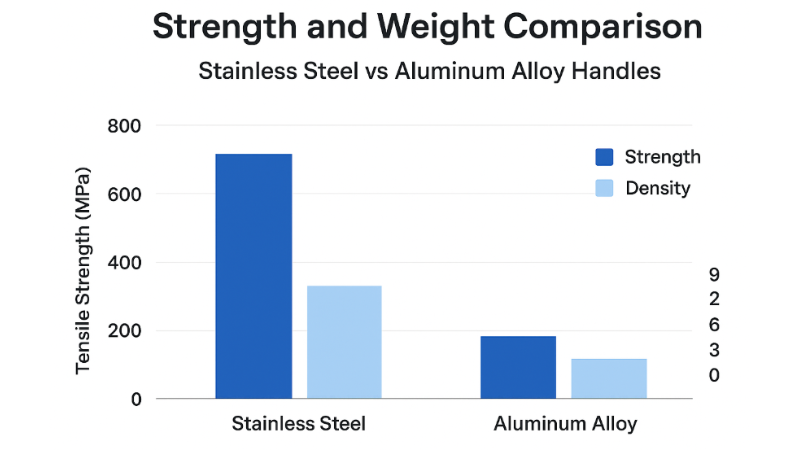
Though we’ve discussed it briefly, it’s time to take a deeper look at the comparison against steel.
- Aluminum: 2.7 g/cm³
- Steel: 7.8 g/cm³
Likewise, aluminum is as much as 1/3 lighter than steel. It means you can focus more on strength without worrying about the overall weight.
Demo Picture 3 – Steel against Aluminum (Strength and Weight)
What This Difference Means in Practice
For parts with similar dimensions, aluminum creates a much lower weight burden than steel.
That matters in products such as frames, brackets, housings, panels, enclosures, and structural components, where part weight directly affects design load, handling, and installation difficulty.
Why Manufacturers Care About This
A lower-density material can help reduce the total weight of an assembly without completely changing the part geometry.
For manufacturers, that can mean easier part handling during production, lower lifting and installation effort, and less load on supporting structures in the final product.
Why It Matters for B2B Buyers
For B2B buyers, the difference between aluminum and steel is not just about material data.It can affect shipping weight, export cost, assembly efficiency, and product performance.
In weight-sensitive applications such as automotive components, industrial equipment, automation systems, and architectural structures, aluminum’s lower density often makes it the more practical choice.
Steel vs Aluminum: Which One to Choose?
Get aluminum where weight reduction is mandatory (aircraft, EVs, lightweight structures). Stick to steel for high compressive strength applications (bridges, heavy machinery).
You may even consider advanced but expensive hybrid designs. Such an approach (steel + aluminum) combines both, leveraging aluminum’s lightness and steel’s strength.
Why Aluminum’s Low Density Creates Real Industrial Advantages
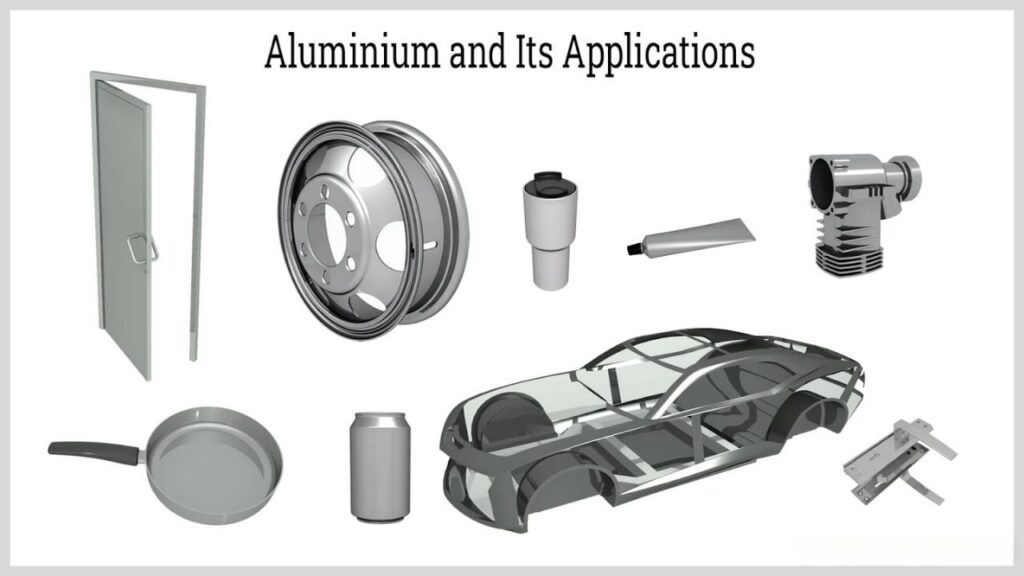
Automotive Industry
In the automotive industry, aluminum’s low density helps reduce vehicle weight. This can improve fuel efficiency, handling, and overall design flexibility, especially in body structures, panels, and functional components.
The benefit is not only about weight reduction. Aluminum also offers good corrosion resistance and can be processed through casting, extrusion, stamping, and machining, which gives manufacturers more options in both part design and production.
Construction Industry
In the construction industry, aluminum’s low density helps reduce dead load in building systems such as curtain walls, window frames, roofing parts, and façade structures. Lighter materials can also make transportation and installation easier on site.
This advantage is even more useful because aluminum also has natural corrosion resistance and strong extrusion capability. As a result, manufacturers can produce complex profiles that are lightweight, durable, and suitable for long-term outdoor use.
Electronics Industry
In the electronics industry, aluminum’s low density helps keep housings, enclosures, and support structures lighter. This is important in products where total system weight needs to be controlled without sacrificing basic structural performance.
Its value increases further because aluminum also has high thermal conductivity. That is why it is often used in parts that need both weight reduction and heat dissipation, such as heat sinks, cooling plates, and protective enclosures.
Custom Manufacturing
In custom manufacturing, aluminum’s low density gives suppliers more flexibility when producing lightweight parts for specific applications. This is especially useful for brackets, housings, frames, covers, and non-standard components where excessive weight creates design pressure.
Its advantage becomes more practical when combined with good machinability and fabrication versatility. This allows manufacturers to produce customized parts that are easier to process, easier to ship, and better suited for weight-sensitive projects.
How Aluminum’s Low Density Impacts B2B Manufacturing
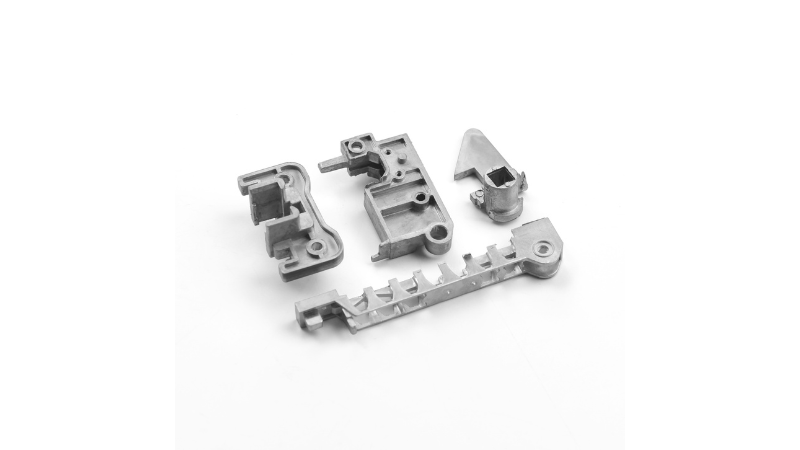
Product Design
Aluminum’s low density helps manufacturers create lighter parts and assemblies without making products unnecessarily bulky. For OEMs and industrial buyers, this matters because lower part weight can reduce structural load and improve the practicality of frames, housings, panels, and other functional components.
This advantage becomes more valuable when weight reduction affects the final product itself. In many industries, lighter designs can improve handling, simplify installation, and make equipment more suitable for applications where excess weight creates performance or design limitations.
Production Efficiency
Low-density aluminum makes parts easier to handle during machining, fabrication, assembly, and packaging. In production environments, this can reduce operator effort and make large or complex components easier to process.
The benefit is not limited to manual handling. Lighter parts can also improve workflow efficiency, simplify positioning during assembly, and better support manufacturing operations where speed, stability, and processing convenience matter.
Shipping Cost
Aluminum’s low density can directly reduce shipping weight, which is especially important in B2B supply chains. For exporters, OEM suppliers, and high-volume manufacturers, lighter parts can help lower freight costs and improve loading efficiency.
This becomes even more important in international shipping and bulk orders. Even when part size stays the same, choosing a lower-density material can reduce transport burden and support better cost control across the supply chain.
FAQs
- Does Temperature Affect Aluminum Density?
Yes. Aluminum expands when heated, so its density decreases slightly. In most applications, 2.70 g/cm³ at room temperature is still used as the standard reference.
- Does aluminum density affect machining performance?
Yes. Lower-density materials like aluminum are generally easier to machine compared with heavier metals such as steel. This can result in faster cutting speeds, reduced tool wear, and more efficient production.
- Can aluminum replace steel in all applications?
No. Aluminum is suitable for many applications, especially where weight matters, but steel is still preferred in cases that require higher stiffness, strength, or lower material cost.
Conclusion
The density of aluminum is not just a technical value. It is one of the key reasons aluminum is widely used in modern manufacturing. Because aluminum is much lighter than steel, it helps reduce product weight, improve handling, lower shipping burden, and support more efficient design across many industrial applications.
What makes aluminum more valuable is that its low density works together with other practical advantages, such as corrosion resistance, machinability, and production flexibility. For B2B buyers, this means aluminum is not simply a lightweight metal, but a material that can support better product performance, more efficient manufacturing, and stronger overall project value.
Get the Best Aluminum Parts for Your Projects at HONJENNY
We’re top-tier experts in balancing aluminum properties to meet your specific requirements. Honjenny guarantees the best material solution through superb innovation and absolute precision. Request a Quote to know more about how we can help.