
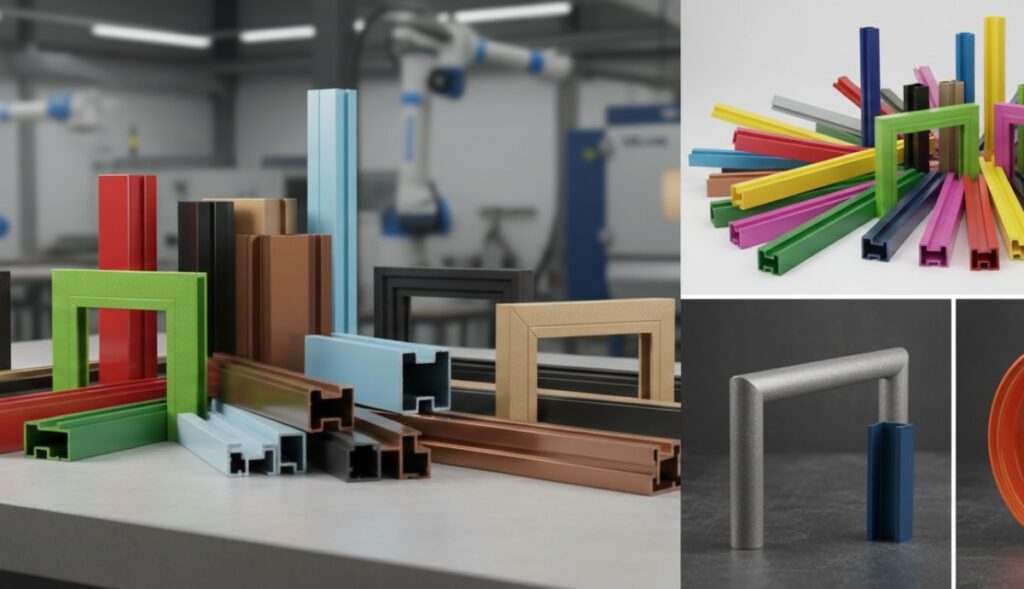
Can you powder coat aluminum? Yes—aluminum is one of the most common metals for powder coating in architectural, automotive, and outdoor products. With proper cleaning and pretreatment, powder coating forms a durable, attractive finish that resists UV exposure, abrasion, and corrosion.
In this guide, you’ll learn how powder coating works on aluminum, what pretreatments matter most, how long it lasts, common failures (peeling, outgassing, orange peel), and how powder coating compares to anodizing and painting.
Can Aluminum Be Powder Coated?
Yes, aluminum can be powder coated, and it’s actually one of the best metals for this process. Aluminum accepts powder coating well when properly prepared. The result is a beautiful, durable finish that lasts for years.
Powder coating works great on aluminum because the metal is lightweight andconducts electricity well. This makes the coating process smooth and efficient. Many industries use powder coated aluminum for everything from car parts to patio furniture.
The benefits of powder coating aluminum are impressive. You get excellent durability that resists scratches and chips. The coating protects aluminum against corrosion (not rust). You also have unlimited color options to match any design. Plus, powder coating is environmentally friendly compared to traditional paint.
Why Aluminum Works Well With Powder Coating
Aluminum is an excellent substrate for powder coating—but long-term performance depends heavily on pretreatment. Aluminum naturally forms an oxide film, and if the surface is not properly cleaned and chemically pretreated, the coating may suffer from poor adhesion or corrosion creep over time.
Powder-coated aluminum performs well because:
Low maintenance: quality powder systems resist fading, chalking, and peeling better than many liquid paints.
Good electrical conductivity helps electrostatic powder transfer and uniform coverage.
Proper pretreatment (conversion coating) improves adhesion and corrosion resistance, especially outdoors.
Smooth extruded surfaces deliver a premium cosmetic finish.
Aluminum Powder Coating Process (Step-by-Step)
Understanding the powder coating process helps you know what to expect. Here’s how professionals coat aluminum parts.
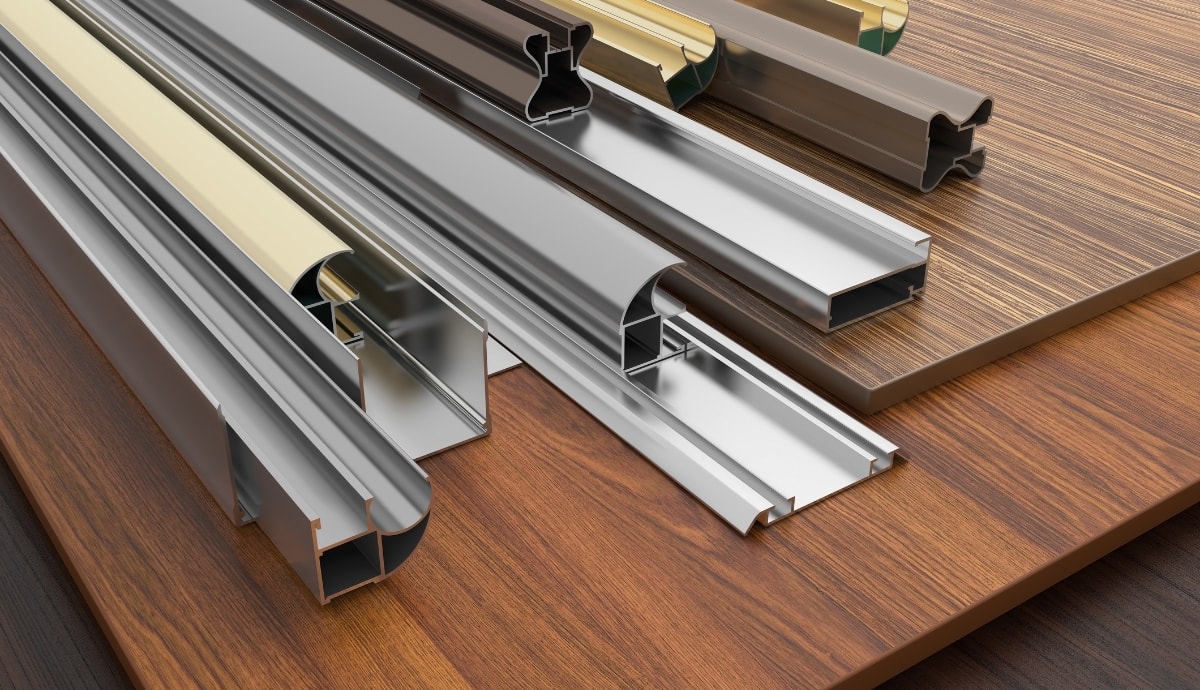
Surface Cleaning & Degreasing
The first step is cleaning the aluminum thoroughly. Any dirt, oil, or grease must be removed completely. These contaminants prevent the powder from sticking properly.
Workers use special cleaning solutions to wash the aluminum. They remove manufacturing oils, fingerprints, and other residues. The aluminum is then rinsed with clean water. Some shops use multiple cleaning stages to ensure the surface is perfectly clean.
Natural oxides on aluminum also need attention. These invisible layers can affect coating adhesion. The cleaning process removes or prepares these oxide layers for the next step.
Pretreatment (Chromate / Chromate-Free)
Pretreatment is the most critical step for long-lasting results. This process creates a chemical layer on the aluminum surface. The layer helps the powder coating stick better and provides corrosion protection.
Traditional pretreatment uses chromate conversion coatings. These create a strong bond between aluminum and powder. However, many companies now use chromate-free options. These newer treatments are safer for workers and the environment.
Without proper pretreatment, powder coating can peel or bubble. The coating might look good at first, but fail within months. Quality powder coating shops never skip this important step.
For exterior or architectural aluminum, pretreatment is often the biggest factor behind long service life—many failures trace back to skipped or poor conversion coating, not the powder itself.
Powder Application
Now comes the actual powder coating. Workers use an electrostatic spray gun to apply the powder. The gun charges the powder particles with static electricity.
The charged powder particles are attracted to the grounded aluminum part. They stick to the surface evenly, covering all areas. The powder looks like colored dust at this stage. It hasn’t melted or bonded yet.
Skilled operators ensure even coverage. They adjust spray patterns and powder flow for the best results. The powder layer thickness is usually 2 to 4 mils (0.002 to 0.004 inches).
Curing in the Oven
The final step is to take the coated aluminum to the curing oven. The coated aluminum part is heated to high temperatures. Most powder coatings cure at 350 to 450 degrees Fahrenheit.
After curing, the part cools down. The coating is now fully bonded to the aluminum. It’s hard, durable, and ready for use. The curing process is what gives powder coating its superior toughness.
Powder Coating vs Anodizing vs Painting Aluminum
Choosing the right finish for an aluminum product can be confusing. Let’s compare the main options.
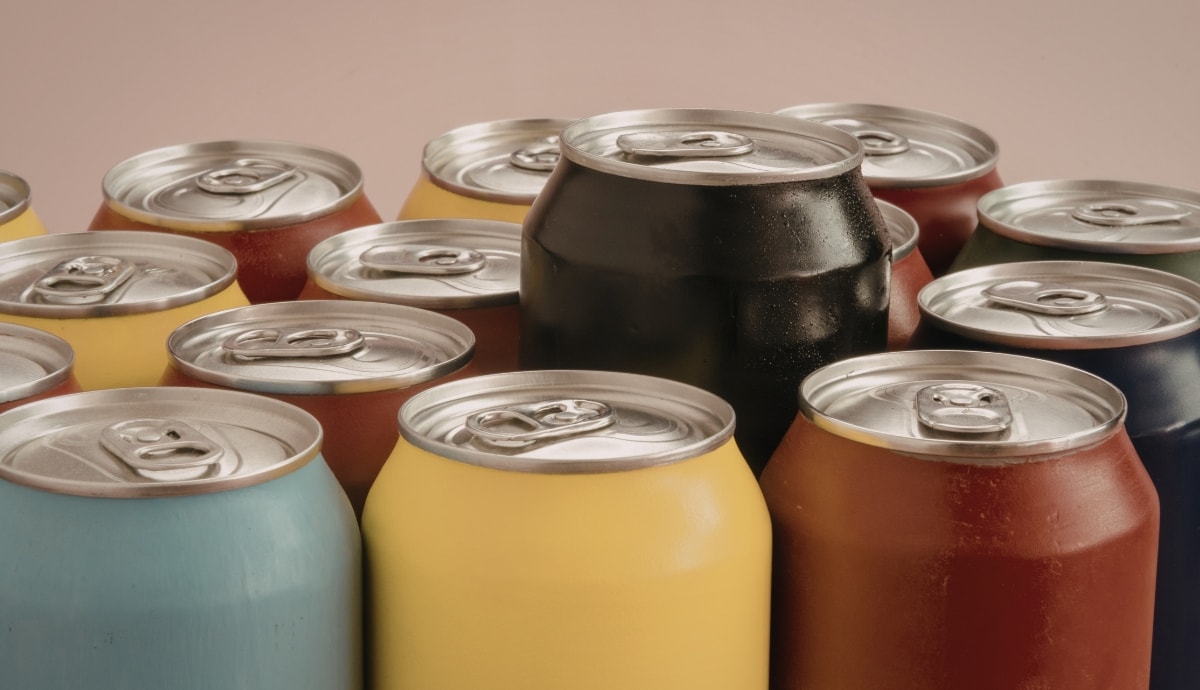
Powder Coating vs Anodizing
Appearance: Powder coating offers more color choices. You can get any color imaginable, plus textures and special effects. Anodizing gives a metallic look with limited colors like clear, bronze, or black.
Durability: Both finishes are very durable. Powder coating is thicker and resists impact better. Anodizing becomes part of the aluminum and won’t peel, but it can scratch more easily.
Color Options: Powder coating wins for variety. Anodizing is limited to translucent colors that show the metal underneath.
Cost: Anodizing is often more expensive for small batches. Powder coating is cost-effective for most projects.
Repairability: Powder coating can be touched up or recoated. Anodizing damage is harder to repair.
Powder Coating vs Painting
Thickness: Powder coating creates a thicker, more protective layer. Paint is thinner and may need multiple coats.
Adhesion: Powder coating bonds better to aluminum components when properly pretreated. Paint can chip or peel more easily.
Environmental Impact: Powder coating produces no harmful solvents or VOCs. Traditional liquid paint emits volatile organic compounds (VOCs) into the air.
Comparison Table
Here is a comparison table to get a better idea of aluminum powder coating, painting, and anodizing.
Durability & Corrosion Resistance of Powder Coated Aluminum
Below are some points that show the benefits of the powder coating process on bare aluminum surfaces.
Outdoor Performance
Powder coated aluminum performs excellently outdoors. The coating resists UV damage from the sun’s rays. Colors stay bright for years without fading.
Weather exposure, like rain, snow, and humidity, doesn’t damage the finish. The coating expands and contracts with temperature changes without cracking.
Marine & Industrial Environments
Harsh environments need extra consideration. Saltwater and chemicals can challenge any coating system. For marine applications, powder coating works well with proper pretreatment. Some shops use special primers under the powder coating. This creates extra protection against salt corrosion of aluminum.
Industrial environments with chemicals or high humidity also benefit from powder coating. The coating creates a barrier between the aluminum substrate and harmful substances. Regular cleaning helps maintain the protective qualities.
How Long Does Powder Coated Aluminum Last?
The typical lifespan for powder coated aluminum is 15 to 20 years outdoors. Indoor applications can last much longer, often 30 years or more.
Factors that affect lifespan:
- Surface preparation quality
- Type of pretreatment
- Powder coating thickness
- Environment (indoor vs outdoor)
- Maintenance and cleaning
Proper preparation is the biggest factor in long-term performance.
Can You Powder Coat Aluminum Without Pretreatment?
Technically, powder can stick to bare aluminum, but it usually won’t last—especially outdoors. Pretreatment (chromate or chromate-free) creates a conversion layer that improves adhesion and corrosion resistance. If you skip pretreatment, you may see peeling, bubbling, or corrosion creep in months rather than years.
Common Problems When Powder Coating Aluminum (and How to Avoid Them)
Common problems when coating aluminum are as follows:
Poor Adhesion / Peeling
This problem happens when the powder doesn’t stick properly. The cause is usually inadequate surface preparation.
Solution: Always clean and pretreat aluminum before coating. Use proper chemical pretreatment, not just cleaning. Make sure the metal is completely dry before powder application begins.
Bubbling or Outgassing
Bubbles appear in the coating during or after curing. This happens when trapped air or moisture escapes through the powder.
Solution: Ensure aluminum is completely dry after pretreatment. Some aluminum castings need special baking before coating to remove internal moisture. Lower curing temperatures or extended cure times can also help.
Uneven Finish
The coating looks rough, thin in spots, or has an orange peel texture.
Solution: Check powder application technique. The gun should be at the right distance from the part. Powder must be properly fluidized in the equipment. Sometimes the powder itself is old or contaminated and needs replacement.
Color Inconsistency
Parts from the same batch look different colors.
Solution: Use powder from the same batch and manufacturer. Check that oven temperatures are accurate and consistent. Make sure all parts cure for the same time. Some color variations can occur between different aluminum alloys.
How to Decide if Powder Coating Is Right for Your Aluminum Part
Choose Powder Coating If…
- You need durability and color variety. Powder coating gives you both. It’s perfect when you want specific colors or custom finishes.
- Choose powder coating for outdoor or architectural use. The weather resistance is excellent. Buildings, fences, and outdoor furniture all benefit from powder coating.
- Pick this option when environmental concerns matter. Powder coating is the cleanest finishing method available.
Consider Anodizing If…
- You need a metallic finish that shows the aluminum underneath. Anodizing creates that distinctive metal look.
- Select anodizing when dimensional tolerances are very tight. The anodized layer is extremely thin. Powder coating adds more thickness, which might affect the precise fit.
- Anodizing works best when you want maximum hardness. The anodized surface is harder than powder coating, though more brittle.
Cost & Performance Trade-Offs
- Powder coating offers the best value for most projects. The upfront cost is reasonable, and the long-term durability saves money.
- For very large projects, compare quotes carefully. Powder coating can be more economical than painting for big jobs. The single-coat application saves labor costs.
- Don’t choose based on price alone. The cheapest option often costs more in the long run. Poor coating fails early and needs replacement. Quality powder coating is an investment that pays off.
FAQs
Can you powder coat aluminum without pretreatment?
You can, but you shouldn’t. Powder will stick to bare aluminum, but it won’t last. Pretreatment creates the chemical bond needed for long-term surface adhesion.
Does powder coating prevent aluminum corrosion?
Yes, powder coating provides excellent corrosion protection. The coating acts as a barrier between the aluminum and the environment.
Can you powder coat aluminum extrusions?
Yes, aluminum extrusions are commonly powder coated. Window frames and door frames are often extruded aluminum with powder coating.
Conclusion
Aluminum can be coated with powder very effectively. The combination creates durable, beautiful finishes that last for years. From outdoor furniture to automotive parts, powder coated aluminum performs excellently.
Proper preparation is the key to performance. Powder coating is one of the most durable finishes for aluminum. It offers color variety, environmental benefits, and long-term protection. Whether you’re coating architectural elements or industrial parts, powder coating delivers results you can count on.
Get Honjenny Powder Coated Aluminum – Free Quote Today!
Honjenny offers high-end finishing on metal, which includes powder coating, anodizing, surface preparation, and total aluminum fabrication. Decades of coating expertise and strict quality control support these services.
To get a quote, reach out to us and give us your aluminum parts requirements or project requirements. Request technical advice regarding powder coating, color choice, or surface finishing process.